
- - How Vegan Restaurants Became Mainstream
- - The New Generation of American Vegan Food
- - Why Non-Vegans Are Eating at Vegan Restaurants
- - Social Media Helped Vegan Restaurants Grow
- - Comfort Food With a Plant-Based Twist
- - The Importance of Atmosphere and Community
- - Popular Vegan Food Trends Across America
- - How Chefs Are Changing the Way People View Vegan Food
- - Real Customer Stories That Changed Perceptions
- - Health-Conscious Dining Continues to Rise
- - Regional Vegan Food Scenes in the United States
- - Why Vegan Desserts and Brunches Are Booming
- - Common Myths About Vegan Restaurants
- - What Makes a Vegan Restaurant Stand Out
- - Where American Vegan Dining Is Heading Next
How Vegan Restaurants Became Mainstream
Not long ago, vegan restaurants in America were often viewed as niche spaces designed only for strict vegans or highly health-conscious diners. Many people imagined bland salads, plain tofu, and menus filled with ingredients they could barely pronounce. Today, that perception has completely changed.
Across the United States, vegan restaurants are becoming some of the most talked-about dining destinations in major cities and even smaller suburban communities. From Los Angeles and Austin to Chicago and New York City, plant-based dining has evolved into a massive cultural movement.
Part of this popularity comes from changing consumer habits. Americans are paying closer attention to wellness, sustainability, food quality, and ingredient transparency. At the same time, chefs have become far more creative in how they approach vegan cooking.
Modern vegan restaurants no longer focus only on restriction. Instead, they focus on flavor, experience, presentation, and innovation. That shift changed everything.
Many diners who once mocked vegan food are now waiting in line for vegan burgers, mushroom tacos, dairy-free desserts, and plant-based brunch menus.
The New Generation of American Vegan Food
One reason why these vegan restaurants are popular across America is that they no longer feel limited. The newest generation of vegan dining focuses heavily on abundance rather than sacrifice.
1. Creative Menus Have Replaced Basic Options
Years ago, vegan menus often relied on simple substitutions. Today’s restaurants create dishes specifically designed to stand on their own.
Chefs now use ingredients like:
1. Cashew cream sauces
2. Jackfruit for pulled “meat” textures
3. Oyster mushrooms for fried chicken alternatives
4. Cauliflower steaks
5. House-made vegan cheeses
The goal is no longer to imitate traditional meals poorly. Instead, the focus is on creating memorable food experiences that happen to be plant-based.
2. Presentation Matters More Than Ever
Modern vegan restaurants often invest heavily in food presentation and restaurant design. Many locations combine trendy interiors, natural lighting, artistic plating, and social-media-friendly aesthetics.
Customers increasingly choose restaurants based on the entire experience, not just the meal itself.
Why Non-Vegans Are Eating at Vegan Restaurants
One of the biggest surprises in the restaurant industry is how many non-vegans regularly eat at vegan restaurants.
Flexitarian Eating Is Growing
A large percentage of Americans now identify as “flexitarian,” meaning they are reducing meat consumption without fully giving it up.
Many people simply want healthier meals several times a week without committing to a strict vegan lifestyle.
This trend dramatically expanded the audience for vegan restaurants.
People Want Variety
After years of eating similar fast-food meals and chain restaurant menus, many diners are looking for something different.
Vegan restaurants often provide exciting flavor combinations and globally inspired dishes that feel fresh compared to standard dining options.
Dietary Restrictions Play a Role
Families and friend groups increasingly include people with different dietary preferences. Vegan restaurants are often easier places for groups because they usually offer gluten-free, dairy-free, and allergy-conscious options in one location.
That flexibility has helped vegan restaurants become social gathering spaces rather than specialty-only destinations.
Social Media Helped Vegan Restaurants Grow
Instagram, TikTok, and YouTube played a massive role in the rise of vegan restaurant culture across America.
Visual Food Content Changed Consumer Behavior
Colorful smoothie bowls, oversized vegan burgers, loaded fries, and creative desserts became highly shareable online.
Many people first became curious about vegan dining after repeatedly seeing visually appealing meals on social media feeds.
Food Influencers Created Viral Trends
Viral reviews and restaurant challenges helped smaller vegan businesses gain national attention almost overnight.
One popular vegan donut shop in California reportedly experienced lines around the block after a single TikTok creator reviewed their menu.
This kind of exposure dramatically accelerated public interest in plant-based dining.
Transparency Built Trust
Social media also allowed restaurant owners to share sourcing practices, kitchen processes, sustainability efforts, and personal stories.
Customers increasingly appreciate knowing where ingredients come from and how food is prepared.
Comfort Food With a Plant-Based Twist
Perhaps the biggest reason vegan restaurants became popular is that they learned how to recreate comfort food successfully.
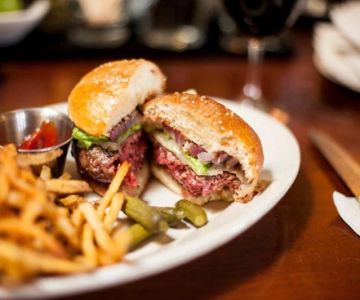
Vegan Burgers Changed Public Perception
Plant-based burgers helped many skeptical diners reconsider vegan food entirely.
Instead of dry veggie patties from the past, modern vegan burgers now focus on texture, seasoning, and satisfying flavor profiles.
Many restaurants intentionally design vegan comfort foods that feel indulgent rather than restrictive.
Mac and Cheese, Pizza, and Fried Foods Remain Popular
Restaurants discovered customers still crave familiar meals. Vegan chefs responded with creative versions of:
1. Buffalo wings made from cauliflower
2. Cashew-based mac and cheese
3. Dairy-free pizza
4. Vegan tacos
5. Plant-based fried chicken sandwiches
These dishes helped bridge the gap between vegan diners and traditional American comfort-food culture.
The Importance of Atmosphere and Community
Successful vegan restaurants often provide more than meals. They create environments that feel welcoming, modern, and community-driven.
Many Vegan Restaurants Feel Personal
Independent vegan restaurants frequently emphasize storytelling and identity. Owners often share why they opened their businesses, their health journeys, or their sustainability goals.
Customers tend to connect emotionally with these stories.
Community Events Build Loyalty
Some vegan restaurants host:
1. Wellness workshops
2. Cooking classes
3. Local music nights
4. Farmers market collaborations
5. Charity partnerships
These events transform restaurants into gathering spaces instead of simple food businesses.
Restaurants Explorer has highlighted how many successful vegan establishments build strong repeat customer communities through these experiences.
Popular Vegan Food Trends Across America
The vegan restaurant industry constantly evolves. Some trends disappear quickly, while others become long-term staples.
1. Plant-Based Fast Casual Dining
Fast-casual vegan chains are growing rapidly in urban areas. Customers appreciate fast service combined with healthier ingredient choices.
2. Global Fusion Menus
Vegan chefs increasingly combine flavors from Mexican, Korean, Thai, Ethiopian, Indian, and Mediterranean cuisines.
This fusion approach creates highly creative menus that stand out from traditional restaurants.
3. Sustainable Packaging and Eco-Friendly Branding
Many vegan restaurants align closely with sustainability messaging.
Customers often notice:
1. Compostable containers
2. Reusable utensils
3. Reduced plastic use
4. Locally sourced ingredients
Environmental awareness has become closely tied to modern vegan dining culture.
How Chefs Are Changing the Way People View Vegan Food
Talented chefs have played a major role in elevating vegan cuisine.
Fine Dining Influenced Public Perception
High-end vegan tasting menus helped prove that plant-based food could be sophisticated and culinary-driven.
Some Michelin-recognized restaurants now focus heavily on vegetable-centered cooking techniques.
Flavor Has Become the Priority
Modern vegan chefs understand an important lesson: most diners care more about flavor than ideology.
As a result, restaurants focus intensely on seasoning, texture, smoke, spice, acidity, and presentation.
When food tastes genuinely excellent, customers stop viewing it only through the lens of dietary labels.
Real Customer Stories That Changed Perceptions
Marcus, a self-described “hardcore barbecue fan” from Texas, originally visited a vegan restaurant only because his daughter wanted to try it for her birthday.
He later admitted he expected to leave hungry.
Instead, he was surprised by the quality of the smoked mushroom tacos and spicy plant-based sliders. What impressed him most was not the absence of meat, but how flavorful everything tasted.
He later returned with coworkers several weeks later.
Stories like this are increasingly common across America. Many vegan restaurants succeed because they exceed expectations rather than simply meeting them.
Health-Conscious Dining Continues to Rise
Health awareness remains one of the strongest drivers behind vegan restaurant growth.
Customers Read Ingredient Lists More Carefully
Americans are becoming more aware of processed ingredients, excessive sugar, sodium levels, and food additives.
Many vegan restaurants market themselves around fresher, cleaner ingredient sourcing.
Wellness Culture Influences Dining Choices
Fitness culture, wellness podcasts, and nutrition-focused social media accounts have all increased interest in healthier eating habits.
Even customers who are not vegan may choose plant-based meals several times per week because they feel lighter and more energized afterward.
Younger Generations Think Differently About Food
Millennials and Gen Z consumers often prioritize wellness and sustainability more heavily than previous generations.
This demographic shift strongly benefits vegan restaurant culture.
Regional Vegan Food Scenes in the United States
Different American cities have developed unique vegan dining identities.
Los Angeles
Los Angeles remains one of the largest vegan food hubs in America. The city combines celebrity influence, wellness culture, and creative culinary experimentation.
New York City
New York’s vegan restaurant scene emphasizes diversity and global fusion cuisine.
Austin
Austin became known for combining vegan food with Texas comfort-food culture, including tacos, barbecue-inspired dishes, and creative street food.
Portland
Portland developed a reputation for highly experimental vegan menus and independent food businesses.
Each city contributes something different to the broader evolution of vegan dining in America.
Why Vegan Desserts and Brunches Are Booming
One surprising growth category is vegan desserts and brunch culture.
People Love Indulgent Vegan Treats
Vegan bakeries now produce impressive:
1. Cheesecakes
2. Cookies
3. Cinnamon rolls
4. Ice cream
5. Chocolate cakes
Many customers cannot even tell the desserts are dairy-free.
Brunch Culture Fits Vegan Dining Perfectly
Weekend brunches have become highly social experiences across America.
Vegan restaurants responded with plant-based pancakes, breakfast burritos, tofu scrambles, waffles, and specialty coffee drinks.
These menus helped attract broader audiences who might not otherwise visit vegan restaurants.
Common Myths About Vegan Restaurants
“The Food Is Bland”
This stereotype is increasingly outdated. Many vegan restaurants now compete directly with mainstream restaurants on flavor and creativity.
“Only Vegans Eat There”
Many restaurants report that a large percentage of customers are not fully vegan.
“Vegan Food Is Always Expensive”
While some upscale vegan restaurants are expensive, many casual locations offer affordable meals comparable to traditional restaurants.
“Plant-Based Meals Are Not Filling”
Modern vegan menus frequently include protein-rich ingredients like lentils, beans, tofu, tempeh, nuts, and plant-based meat alternatives.
What Makes a Vegan Restaurant Stand Out
Not every vegan restaurant succeeds. The most popular locations usually share several important qualities.
1. Strong Flavor Identity
Successful restaurants know exactly what makes their menu unique.
2. Consistency
Customers return when food quality remains reliable.
3. Welcoming Atmosphere
Restaurants that avoid judgmental or overly preachy branding often appeal to wider audiences.
4. Innovative Menus
Creative seasonal offerings help maintain excitement and repeat visits.
5. Authentic Passion
Customers often notice when owners and chefs genuinely care about food quality and hospitality.
Restaurants Explorer frequently notes that authenticity matters more than trendy marketing alone.
Where American Vegan Dining Is Heading Next
The future of vegan restaurants in America appears extremely strong.
As culinary innovation continues, plant-based dining will likely become even more integrated into mainstream restaurant culture.
Many industry experts believe the distinction between “vegan restaurants” and “traditional restaurants” may gradually blur as more businesses expand plant-based offerings.
Consumers increasingly expect restaurants to provide healthier, sustainable, and inclusive menu options.
At the same time, diners still want excitement, comfort, indulgence, and memorable experiences. The best vegan restaurants understand this balance perfectly.
For food lovers exploring new dining experiences, Restaurants Explorer can help uncover trending vegan restaurants, hidden local favorites, and creative plant-based menus that continue reshaping American food culture.
What once seemed like a niche movement has evolved into one of the most influential trends in modern dining, and the popularity of vegan restaurants across America shows no signs of slowing down.


 Long Wongs AZ Famous Wings3.0 (1149 reviews)
 McDonald's3.0 (2725 reviews)
 Subway3.0 (57 reviews)
 Dr Cravings3.0 (4 reviews)
 Popeyes Louisiana Kitchen3.0 (1561 reviews)
 Filiberto's Mexican Food3.0 (1152 reviews)
 The Best Places for Fresh Seafood in San Francisco - Top Restaurants & Markets
 20 Restaurant Menu Items That Are Trending Right Now
 Best Wine Pairing Tips for Fine Dining in 2025
 Where to Find the Best Tapas Restaurants in New York City
 The Best Seafood Dishes You Have to Try at Top Restaurants in Boston
 A Guide to Finding the Best Comfort Food Restaurants in Your City