
- 1 - Inflation Impact on Restaurant Prices - How Economic Factors Drive Costs
- 2 - Food Supply Chain Challenges - Ingredients and Logistics Affecting Prices
- 3 - Labor Costs and Wage Increases - Staff Expenses Influencing Dining Costs
- 4 - Energy and Utility Price Hikes - Operational Costs and Menu Prices
- 5 - Trends in Dining Experience and Service - Premium Service and Ambiance Costs
- 6 - Consumer Behavior and Demand Shifts - Market Preferences and Price Adjustments
- 7 - Strategies for Dining Affordably - Tips and Recommendations from Restaurants Explorer
1 - Inflation Impact on Restaurant Prices - How Economic Factors Drive Costs
1.1 The Role of Inflation in Menu Price Adjustments
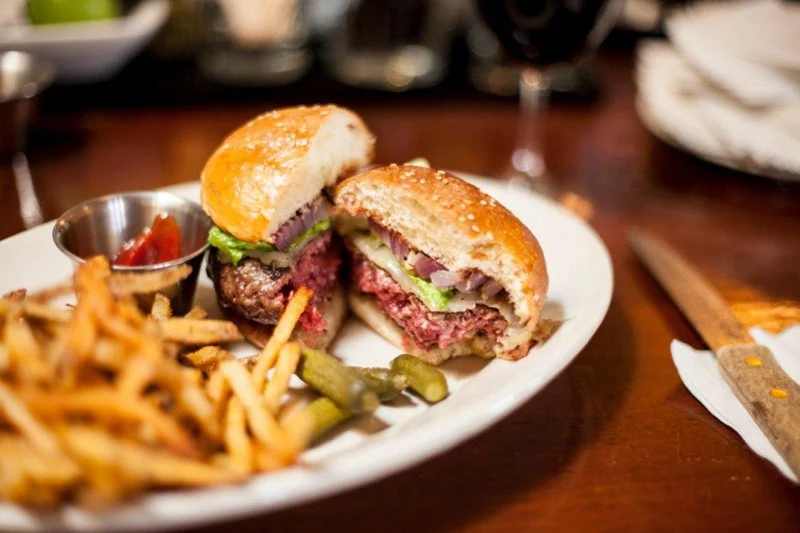
Inflation has been one of the key drivers behind rising dining costs in the US. As the general price level increases, restaurants adjust their menu prices to maintain profitability. A burger that cost $12 in 2021 might now cost over $16 in 2026 due to sustained inflation.
1.2 Regional Inflation Differences
It is important to note that dining cost increases are not uniform. Cities like New York, San Francisco, and Chicago experience higher price hikes compared to smaller towns. This is partly due to local economic conditions, rental rates, and supply chain constraints.
2 - Food Supply Chain Challenges - Ingredients and Logistics Affecting Prices
2.1 Rising Costs of Ingredients
Fluctuations in commodity prices significantly impact restaurant menus. For example, beef, poultry, and dairy have seen consistent price growth, which forces restaurants to pass the additional costs on to customers.
2.2 Shipping and Logistics
Transportation and logistics disruptions have created additional expenses for restaurants. Fuel price increases and delivery delays add operational costs, ultimately influencing the price of meals.
3 - Labor Costs and Wage Increases - Staff Expenses Influencing Dining Costs
3.1 Minimum Wage and Benefits
Labor costs are a significant component of restaurant expenses. As states raise minimum wages, restaurants have to adjust prices to sustain operations. Offering competitive benefits further increases labor costs.
3.2 Retention and Training
Staff retention is crucial for service quality. High turnover rates mean frequent training, which indirectly affects operational costs. Investing in skilled staff contributes to rising menu prices as restaurants aim to maintain service standards.
4 - Energy and Utility Price Hikes - Operational Costs and Menu Prices
4.1 Electricity, Gas, and Water Costs
Energy consumption in restaurants is significant, from kitchen operations to heating and lighting. Increases in electricity and gas bills directly affect overall expenses, prompting menu price adjustments.
4.2 Sustainable Practices and Their Costs
Many restaurants are adopting energy-efficient and sustainable practices, which may involve higher upfront costs. While environmentally beneficial, these investments contribute to moderate price increases for consumers.
5 - Trends in Dining Experience and Service - Premium Service and Ambiance Costs
5.1 Enhanced Dining Experiences
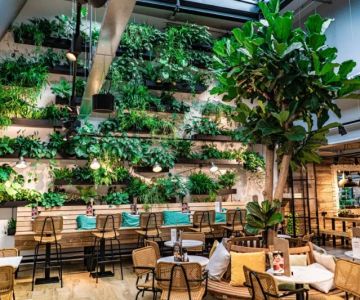
Restaurants have increasingly focused on offering unique experiences—curated ambiance, live entertainment, and specialized menus. While these elements improve customer satisfaction, they also contribute to higher meal costs.
5.2 Technology Integration
Implementing technology such as digital ordering, contactless payments, and AI-driven kitchen management systems adds operational costs. The efficiency benefits often outweigh costs, but menu prices reflect these investments.
6 - Consumer Behavior and Demand Shifts - Market Preferences and Price Adjustments
6.1 Health-Conscious and Premium Preferences
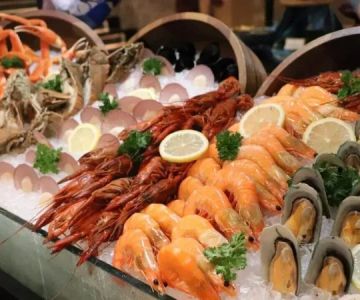
Consumers are increasingly seeking healthier and premium ingredients. Organic produce, sustainable seafood, and specialty items are in high demand, leading to price increases in restaurants aiming to meet these expectations.
6.2 Dining Out Trends
The post-pandemic shift in dining habits has altered the restaurant market. Takeout, delivery, and meal subscription models have gained prominence. These services, while convenient, often include additional fees that contribute to higher overall dining costs.
7 - Strategies for Dining Affordably - Tips and Recommendations from Restaurants Explorer
7.1 Choosing the Right Time and Venue
Lunch specials and early dinner deals can reduce dining costs. Restaurants Explorer provides up-to-date guides to venues offering promotions, making it easier to enjoy meals without overspending.
7.2 Utilizing Digital Tools
Apps and platforms that track restaurant deals, loyalty programs, and seasonal discounts allow diners to strategically plan their visits. Restaurants Explorer curates these insights to help customers navigate the increasing costs effectively.
7.3 Exploring Alternative Dining Options
Opting for family-owned restaurants, casual cafes, or hidden local gems can offer quality meals at lower prices. Personalized recommendations on Restaurants Explorer highlight these alternatives while maintaining a high dining experience.
 MOD Pizza4.0 (862 reviews)
 Someburros4.0 (1064 reviews)
 Hot N Juicy Crawfish3.0 (1042 reviews)
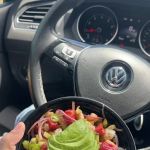 El Atunon5.0 (12 reviews)
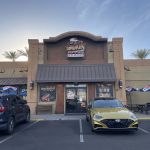 Can't Stop Smokin' BBQ4.0 (2331 reviews)
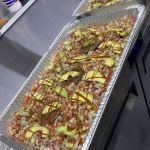 MARISCOS EL GUAYABAS5.0 (1 reviews)
 How to Find the Best Casual Dining Spots in Your Area
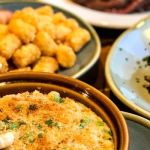 A Guide to Finding the Best Comfort Food Restaurants in Your City
 A Foodie’s Guide to the Best Brunch Spots in San Francisco
 Top 5 Best Pizza Places in Los Angeles for a True Pizza Experience
 Why These Chicago Restaurants Are Loved by Locals
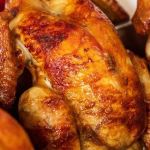 Why You Should Try the Best Rotisserie Chicken Spots in Your Area