
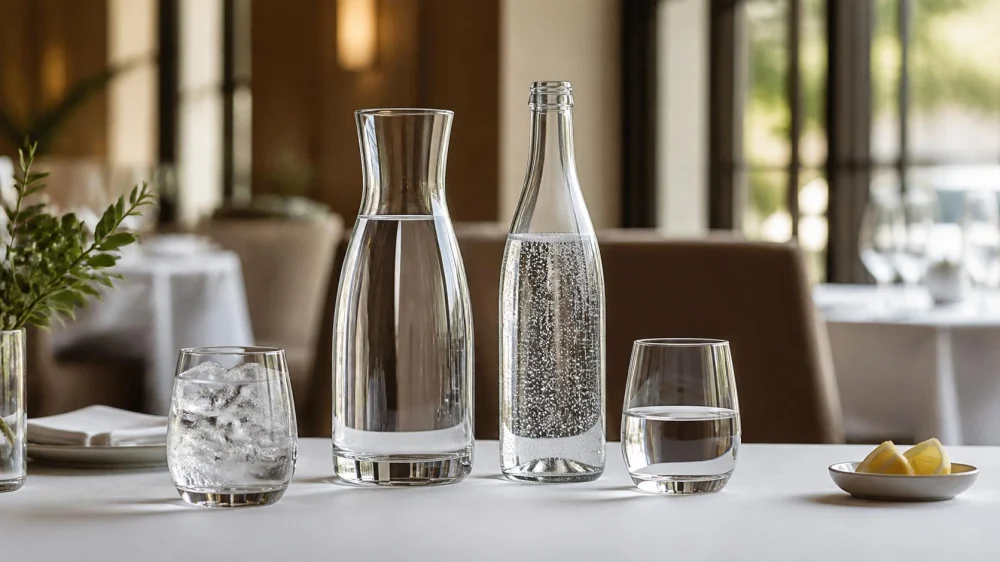
Restaurant Water Service: Tap, Bottled, Still, Sparkling, and Price
On this page
Quick answer
When a server asks “still or sparkling,” clarify whether they mean complimentary tap water or a priced bottle. Ask for the bottle size, price, refill policy, and whether it is intended for the table or one guest. If you want tap water, say so directly; if you choose bottled water, confirm still, sparkling, mineral, or flavoured before it is opened.
Restaurant policies and local laws vary. A sealed bottled product and water from a public system follow different U.S. regulatory frameworks, but one is not automatically the better choice for every person or place.

Know the common choices
Tap water may be served from a pitcher, carafe, filtered system, or glass. Bottled choices may be still or carbonated and may identify a spring, mineral source, purified-water process, or another category. Soda water, club soda, tonic water, and seltzer are not interchangeable with plain still water and may be listed elsewhere on the beverage menu.
Ask what the restaurant means by “house water” or “filtered water.” A reusable bottle or carafe does not reveal the source, carbonation, or price.
Ask about price before opening
Request the full price and bottle volume. A large bottle may serve several guests, while individual bottles can add up quickly. Confirm whether a service charge, package, tasting menu, or event price already includes water.
If a bottle arrives that you did not request, ask before the seal is opened. Once opened, a restaurant may treat it as accepted. Review the final bill for the number and type of bottles served.
Check the bottle and serving
For packaged water, the label should identify the product and provide required information. If the cap, seal, or container appears damaged, ask for an unopened replacement. Do not drink from a bottle with an unusual odour, leaking closure, or uncertain handling.
Tell the server whether you want ice, lemon, or no garnish. For an allergy or strict dietary need, ask how garnishes, reusable carafes, ice bins, and glassware are handled rather than assuming plain water has no cross-contact route.
Understand refills and sharing
Tap-water refills may be routine, available only on request, or limited by local conditions. Bottled-water refills usually mean opening another bottle and may create another charge. Ask staff to check with the table before replacing a bottle automatically.
When sharing, agree on still or sparkling and pace the bottle with the meal. Keep a separate glass for each guest, and avoid pouring between used glasses.
Flavoured and mineral water questions
Flavoured, electrolyte, vitamin, tonic, and mineral waters can contain ingredients that plain water does not, including sweeteners, sodium, acids, caffeine, quinine, or added nutrients. Read the label or ask for ingredient and nutrition information when it affects your diet or medication plan.
Carbonation can feel uncomfortable for some guests but is a preference and tolerance issue, not a universal safety problem. Follow individualized medical advice for fluid, sodium, kidney, heart, swallowing, or medication restrictions.
If you have a water-safety concern
EPA regulates U.S. public drinking-water systems under the Safe Drinking Water Act, while FDA regulates bottled drinking water as food. Public-water customers can request the supplier's Consumer Confidence Report; bottled-water processors follow FDA requirements for processing, testing, and sanitary conditions.
A boil-water advisory, plumbing problem, or local emergency can affect restaurant operations and ice. Ask the restaurant what official notice applies and which safe alternatives it is using. Do not assume carbonation, filtration at the table, lemon, or alcohol makes unsafe water safe.
Takeaway and leftover bottles
Ask whether an opened bottle may leave the premises and whether the cap is available. Keep it upright and do not leave it in a hot vehicle for extended periods. Discard water that has been contaminated by shared drinking, dirty containers, or uncertain storage.
For delivery, check that a paid bottled product matches the order and arrives sealed. Contact the restaurant or platform promptly about missing, open, or damaged items.
Ordering checklist
- Tap, filtered, still bottled, or sparkling identified.
- Bottle size and total price confirmed.
- Refill and replacement-bottle policy understood.
- Ingredients checked for flavoured or enhanced water.
- Seal and container appear intact.
- Ice and garnish preferences stated.
- Final bill matches bottles served.
Important limitations
This is general U.S. dining and consumer guidance, not medical or legal advice. Water service, prices, refill practices, local advisories, restaurant obligations, and product ingredients vary. Use current restaurant information, official public-health notices, product labels, and individualized clinician guidance.
Evidence notes
EPA oversees public drinking-water systems under the Safe Drinking Water Act and requires community systems to provide annual quality reports. FDA regulates bottled drinking water as food and sets manufacturing, quality, sampling, and labeling requirements. Those separate frameworks explain why diners should identify the actual water source and product instead of relying on the words “house,” “still,” or “sparkling.”
FAQ
Does “still” mean free tap water?
Not necessarily. It may refer to priced non-carbonated bottled water.
Are bottled-water refills free?
Usually each new bottle can be charged; ask the restaurant.
Is sparkling water the same as club soda?
No. Carbonation, minerals, and added ingredients can differ.
Can I ask for tap water?
Yes, but availability and any charge depend on local rules and restaurant policy.
Who regulates bottled water in the United States?
FDA regulates bottled drinking water; EPA regulates public drinking-water systems.
What should I do during a boil-water advisory?
Follow official local instructions and ask the restaurant which approved water and ice procedures it is using.
Next steps
When water is offered, name the option you want and ask the bottle size, price, and refill rule. Check enhanced-water ingredients when relevant and review the final bill before paying.



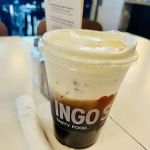 Ingo’s Tasty Food4.0 (669 reviews)
 Taco Bell3.0 (700 reviews)
 Anaya's Fresh Mexican Restaurant4.0 (422 reviews)
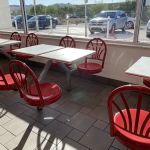 In-N-Out Burger4.0 (3364 reviews)
 Filiberto's Mexican Food4.0 (1002 reviews)
 Federico's Mexican Food4.0 (310 reviews)
 Restaurant Outside Cake Policy: Confirm Before Celebrating
 Where to Find the Best Vegan Restaurants in New York City
 How to Find the Best Thai Food Restaurants in Your Area | Restaurants Explorer
 Why You Should Visit the Best Food Halls in Your City
 Where to Find the Best Vegan Breakfast in Portland
 How to Find the Best Japanese Restaurants in Your City | Top Tips for Finding Authentic Sushi & More