
- farm-to-table-dining - Understanding the growth of local food restaurants
- supporting-local-farmers - How restaurants build partnerships with farmers
- american-farm-to-table-examples - Exploring notable dining experiences across America
- benefits-of-local-ingredients - Why seasonal and regional food matters
- choosing-farm-to-table-restaurants - What diners should look for
- future-of-sustainable-dining - The next generation of responsible restaurants
Exploring America’s Best Farm-to-Table Restaurants and Their Local Farmer Partnerships
The Rise of Farm-to-Table Dining Across America
The way Americans think about dining has changed dramatically over the past few decades. A meal is no longer only about convenience or presentation. More diners are asking important questions: Where did this food come from? Who grew the ingredients? How does my meal impact the environment and local communities?
This growing awareness has helped transform the restaurant industry through the farm-to-table movement. The best farm-to-table restaurants in America focus on creating direct relationships with local farmers, ranchers, fishermen, and food producers to bring fresher ingredients and more meaningful stories to the table.
Unlike traditional restaurant supply chains that may rely on ingredients traveling thousands of miles, farm-to-table restaurants often source seasonal products from nearby farms. This approach allows chefs to work with ingredients at their peak freshness while supporting the people who grow and produce the food.
The Meaning Behind Farm-to-Table Restaurants
A true farm-to-table restaurant is not simply a place that adds a few local vegetables to a menu. The philosophy goes much deeper. These restaurants build long-term relationships with farmers and design menus around what is naturally available during each season.
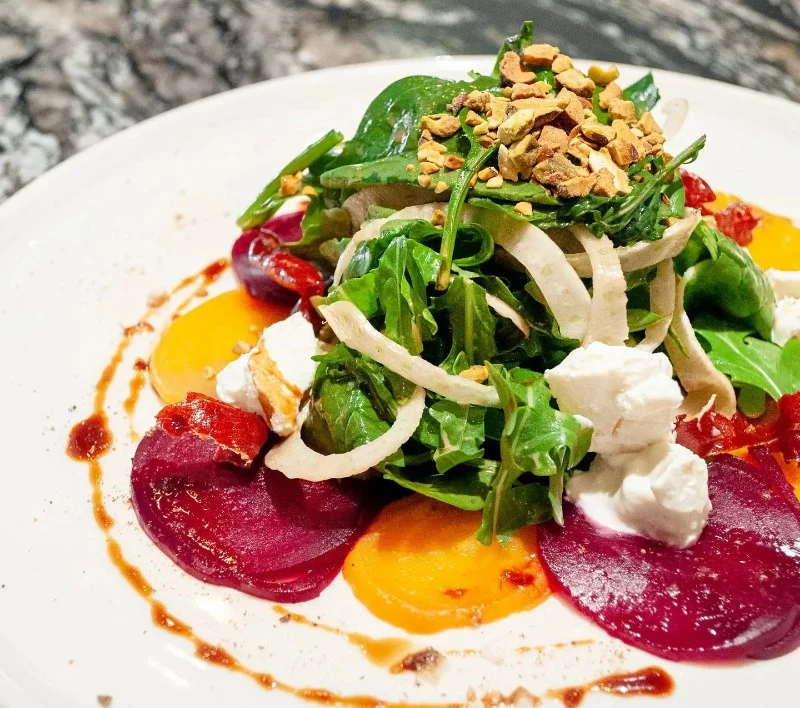
For example, a chef may create a spring menu featuring locally grown asparagus, fresh herbs, and young greens. During autumn, the same restaurant may shift toward root vegetables, squash, apples, and locally raised meats.
This constant connection with agriculture creates a dining experience that changes throughout the year. Guests return not only for familiar dishes but also for the excitement of discovering what local farms have produced.
Why American Diners Are Choosing Local Food Experiences
Many diners today want more than a simple meal. They want transparency, authenticity, and a connection to their community. Supporting restaurants that work with local farmers allows customers to participate in a larger food story.
A family dinner at a farm-to-table restaurant can become an opportunity to teach children about seasonal foods. A date night can become a chance to discover regional flavors. A business meal can reflect shared values about sustainability and responsible sourcing.
How Farm-to-Table Restaurants Support Local Farmers
One of the biggest impacts of the farm-to-table movement is the stronger relationship between restaurants and agricultural producers. Instead of farmers depending only on large distributors, they can develop direct partnerships with chefs and restaurant owners.
1. Creating Stable Markets for Small Farms
Small farms often face challenges competing with large-scale agricultural operations. Farm-to-table restaurants provide another path by purchasing directly from local producers.
When restaurants commit to buying local ingredients regularly, farmers gain more predictable income. This stability helps them invest in better equipment, sustainable farming practices, and future crop production.
2. Preserving Regional Food Traditions
Every region of America has unique agricultural traditions. Coastal areas may specialize in seafood, while farming communities may produce heirloom vegetables, grains, or specialty meats.
Restaurants supporting local farmers help preserve these regional identities. A meal becomes more than a combination of ingredients; it becomes a reflection of the landscape and culture where the food was produced.
3. Encouraging Sustainable Farming Methods
Many small farmers use environmentally conscious methods, including crop rotation, reduced chemical use, composting, and responsible livestock practices.
When restaurants choose these suppliers, they encourage farming approaches that protect soil health and biodiversity. Over time, these choices can contribute to a more sustainable food system.
Notable Farm-to-Table Dining Experiences Across America
The United States has many restaurants that have helped define modern farm-to-table dining. While each location has its own personality, they share a commitment to fresh ingredients and strong relationships with local producers.
Regional Restaurants Built Around Local Agriculture
In California, many restaurants benefit from year-round access to farms producing vegetables, fruits, olive oil, and wine. Chefs often create menus based on daily harvests, allowing guests to experience the diversity of the region.
In the Midwest, restaurants frequently highlight locally raised meats, grains, dairy products, and seasonal produce. These menus often celebrate traditional farming communities while introducing creative modern techniques.
In the Northeast, chefs may focus on seafood, orchard fruits, maple products, and vegetables grown during shorter but highly productive growing seasons.
A Real Example of Local Partnerships
Consider a restaurant located near a family-owned vegetable farm. Instead of purchasing tomatoes from a national supplier, the chef works directly with the farmer to receive freshly harvested varieties each week.
The farmer can grow specialty tomatoes requested by the chef, while the restaurant receives ingredients with better flavor and freshness. Customers benefit because they experience something unique that cannot easily be replicated through mass production.
This type of partnership represents the heart of the farm-to-table philosophy: collaboration rather than simple purchasing.
Why Local Ingredients Create Better Dining Experiences
Fresh ingredients are one of the biggest reasons diners seek out farm-to-table restaurants. However, the benefits extend far beyond flavor.
Improved Taste and Quality
Many fruits and vegetables begin losing quality after harvesting. Locally sourced ingredients often travel shorter distances, allowing chefs to use products closer to their natural peak.
A freshly picked tomato from a nearby farm can have a completely different taste experience compared with one transported long distances before reaching a restaurant kitchen.
Seasonal Menus Offer Variety
Farm-to-table restaurants often change menus frequently because they follow agricultural seasons. This creates variety and encourages customers to explore foods they may not normally choose.
Instead of expecting the same menu all year, guests learn to appreciate seasonal specialties. A winter meal may highlight hearty vegetables and slow-cooked dishes, while summer menus may focus on fresh herbs, berries, and lighter preparations.
Reducing Environmental Impact
Shorter supply chains can reduce transportation needs and help limit food waste. Restaurants that work closely with farmers can often plan purchases more effectively, ordering quantities that match actual demand.
Many sustainable restaurants also focus on composting, responsible packaging, and energy-efficient operations to further reduce their environmental footprint.
How to Identify Authentic Farm-to-Table Restaurants
With the popularity of the local food movement, many restaurants use phrases like “fresh,” “natural,” or “local.” However, diners who want a true farm-to-table experience should look deeper.
Look for Transparent Sourcing Information
Authentic restaurants often share information about their suppliers. They may mention local farms on menus, explain ingredient origins, or highlight seasonal producers.
Transparency shows that a restaurant values the connection between the kitchen and the farm.
Pay Attention to Seasonal Menu Changes
A restaurant that changes dishes throughout the year is often responding to local availability. Constantly identical menus may suggest heavier reliance on large distribution networks.
Consider the Restaurant’s Overall Philosophy
Farm-to-table dining is usually part of a larger commitment to quality and responsibility. Restaurants may also support community events, reduce waste, and educate guests about food production.
The Future of Farm-to-Table Restaurants in America
The future of dining is increasingly connected to sustainability, transparency, and community relationships. Younger generations of diners especially value knowing how their food choices influence the world around them.
Technology and Local Food Connections
New technology is making it easier for restaurants and farmers to communicate. Digital ordering systems, farm management tools, and local food networks help connect producers with chefs more efficiently.
More Restaurants Will Embrace Responsible Sourcing
As customers continue requesting higher-quality ingredients and ethical practices, more restaurants are expected to develop local partnerships.
The farm-to-table movement is no longer a small trend. It represents a broader shift toward understanding food as something connected to people, places, and communities.
Discover More Meaningful Dining Experiences
Choosing one of the best farm-to-table restaurants in America is about more than enjoying a delicious meal. It is a way to support local farmers, celebrate regional ingredients, and experience the creativity of chefs who respect where food comes from.
Whether you are searching for a memorable dinner, a seasonal tasting experience, or a restaurant that reflects your values, exploring local food-focused dining can lead to unforgettable discoveries.
Restaurants Explorer helps food lovers discover unique dining experiences, explore restaurant trends, and find places that celebrate quality ingredients and authentic culinary stories. Learn more about local dining options and discover restaurants that connect communities through great food.





 Mahon Sandwich Shop4.0 (55 reviews)
 Golden Corral Buffet & Grill4.0 (7698 reviews)
 Thai Elephant Bistro4.0 (269 reviews)
 IHOP3.0 (2724 reviews)
 Mariscos Camaron Pelao 24.0 (407 reviews)
 PHX HOT5.0 (2 reviews)
 Best Restaurant Delivery Services for Gourmet Food at Home: Top Options to Try
 Where to Find the Best Tacos in San Francisco: A Taco Lover’s Guide
 Ultimate Guide to Affordable Dining While Traveling in the US
 The Ultimate Guide to Food Truck Dining in Miami
 How to Find the Best Japanese Restaurants in Your City | Top Tips for Finding Authentic Sushi & More
 Highly Rated Mediterranean Restaurants in the US