
- -The Shift Toward Seasonal Dining Trends
- -How Seasonal Menus Improve Food Quality
- -Economic and Sustainability Factors Driving Change
- -Customer Expectations and Dining Experiences
- -Real Restaurant Stories and Industry Examples
- -What This Trend Means for Future Dining
1. The Shift Toward Seasonal Dining Trends
Understanding Why Restaurant Menus Are Becoming More Seasonal starts with recognizing how dining culture in the United States has evolved. Over the past decade, diners have become more curious, more informed, and far more selective about what they eat. This shift has pushed restaurants to rethink how they design their menus.

1.1 From Static Menus to Dynamic Offerings
Traditionally, many restaurants relied on fixed menus that rarely changed throughout the year. Today, that approach feels outdated. Seasonal menus allow chefs to adapt to what’s fresh, creating dishes that feel timely and exciting rather than repetitive.

1.2 Influence of Farm to Table Movements
The rise of farm-to-table dining has played a major role. Restaurants are now building relationships with local farmers, which naturally leads to menus that reflect what’s currently in season rather than what can be sourced year-round.
1.2.1 Cultural Shift in Food Awareness
Consumers are paying more attention to where their food comes from. This awareness has made seasonal menus not just a preference, but an expectation in many dining environments.
2. How Seasonal Menus Improve Food Quality
A key reason behind Why Restaurant Menus Are Becoming More Seasonal is simple: better ingredients lead to better dishes.
2.1 Freshness and Flavor Differences
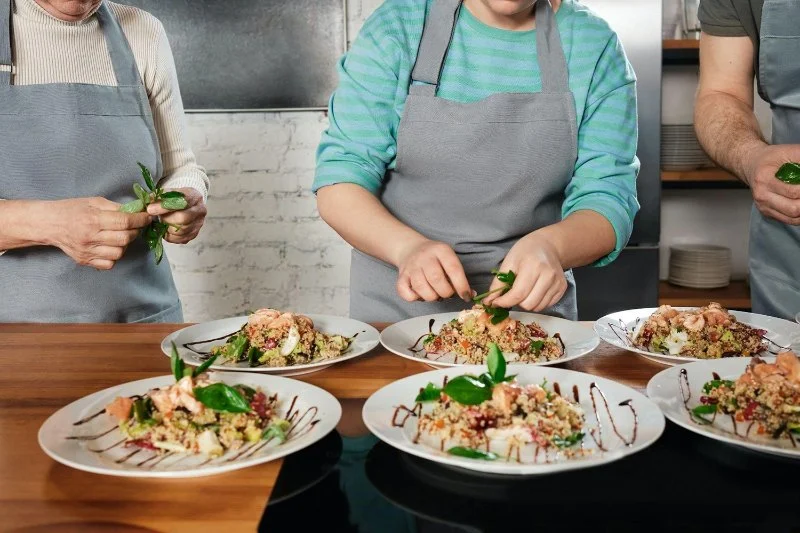
Produce harvested at its peak tastes noticeably better. Tomatoes in summer, for example, are sweeter and more vibrant compared to those shipped long distances in winter. Chefs can build menus that highlight these natural advantages.
2.2 Creative Freedom for Chefs
Seasonal ingredients inspire creativity. Instead of relying on the same dishes year-round, chefs can experiment and introduce limited-time offerings that keep customers coming back.
2.2.1 Elevating the Dining Experience
For diners, this means every visit can feel different. Restaurants become destinations for discovery rather than just routine meals.
3. Economic and Sustainability Factors Driving Change
Beyond taste, practical considerations also explain Why Restaurant Menus Are Becoming More Seasonal.
3.1 Cost Efficiency Through Local Sourcing
Buying ingredients in season often reduces costs. Local sourcing minimizes transportation expenses and allows restaurants to negotiate better pricing with nearby suppliers.
3.2 Reducing Environmental Impact
Seasonal menus support sustainability by lowering the carbon footprint associated with long-distance food transport. This aligns with growing consumer demand for environmentally responsible businesses.
3.2.1 Waste Reduction Strategies
When menus are built around available ingredients, restaurants can better manage inventory and reduce food waste, which is both financially and ethically beneficial.
4. Customer Expectations and Dining Experiences
Modern diners are not just eating—they are seeking experiences. This is another major factor behind Why Restaurant Menus Are Becoming More Seasonal.
4.1 Desire for Authenticity
Customers increasingly value authenticity in their meals. Seasonal menus signal that a restaurant is thoughtful and intentional about its offerings.
4.2 Social Media and Visual Appeal
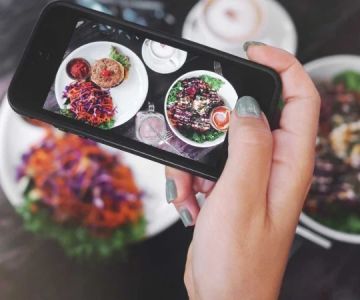
Seasonal dishes often feature vibrant colors and unique presentations that perform well on social media. This visibility helps restaurants attract new customers organically.
4.2.1 Role of Dining Platforms
Many diners now use platforms like Restaurants Explorer to discover trending seasonal menus and new dining experiences, making it easier to connect with restaurants that prioritize freshness and innovation.
5. Real Restaurant Stories and Industry Examples
Real-world examples provide deeper insight into Why Restaurant Menus Are Becoming More Seasonal.
5.1 A Small Bistro’s Transformation
A family-owned bistro in California shifted from a static menu to a seasonal model and saw a noticeable increase in repeat customers. Diners were excited to return and see what was new each month.
5.2 Viral Seasonal Dishes
Some restaurants have gained national attention by launching limited-time seasonal items that go viral online. Pumpkin-based dishes in fall or fresh berry desserts in summer often generate significant buzz.
5.2.1 Lessons from These Examples
The success of these restaurants shows that seasonal menus are not just a trend—they are a strategic approach to staying relevant in a competitive market.
6. What This Trend Means for Future Dining
Looking ahead, the movement behind Why Restaurant Menus Are Becoming More Seasonal is likely to continue shaping the restaurant industry.
6.1 Increased Collaboration with Local Producers
Restaurants will continue building stronger relationships with local farms and suppliers, creating more transparent and traceable food systems.
6.2 Personalized Dining Experiences
Seasonal menus may evolve into even more customized offerings, where restaurants adjust dishes based on regional preferences and micro-seasons.
6.2.1 A New Standard for Quality
As diners become accustomed to fresher, more dynamic menus, seasonal dining may shift from being a trend to becoming the standard expectation across the industry.
For anyone who enjoys discovering new flavors and meaningful dining experiences, this shift represents an exciting evolution—one where food feels more connected to both time and place.



 TEG Torta Shop - Tortas El Güero4.0 (738 reviews)
 Chipotle Mexican Grill3.0 (1317 reviews)
 Tortillas Rosario5.0 (2 reviews)
 Bad Jimmy's4.0 (444 reviews)
 Flower Child4.0 (1193 reviews)
 Junn All You Can Eat Sushi4.0 (2117 reviews)
 Top 5 Mediterranean Restaurants in San Francisco for a Fresh Dining Experience
 Top 5 Best Breakfast Restaurants in Miami for Early Birds
 Where to Find the Best Ramen in Portland for an Authentic Experience
 The Best Restaurants for Authentic Latin American Cuisine
 The Best Restaurants for Authentic Asian Cuisine
 The Best Places for Fresh Seafood in San Francisco - Top Restaurants & Markets