
Restaurant Private Dining Room Checklist: Compare Space, Menu, and Contract
On this page
- Quick answer
- Define the event and guest list
- Inspect the room and access
- Build a workable food and drink plan
- Plan dietary and allergy communication
- Calculate the full event cost
- Read the contract and cancellation terms
- Confirm setup, technology, and decorations
- Set the service timeline
- Complete a final confirmation
Quick answer
Before booking a restaurant private dining room, confirm the exact room, seated and standing capacity, accessibility, privacy, menu format, beverage rules, minimum spend, room fee, service charge, tax, deposit, cancellation schedule, and final guest-count deadline. Ask for a written proposal with a sample total instead of comparing only the menu price per person.
Visit the room at a similar time of day when possible. Check noise, lighting, temperature, restrooms, entrance, parking, technology, and how staff or other guests move through the space. Put every promised exception—dietary plan, equipment, decoration, timing, payment, or refund term—into the signed agreement.

Define the event and guest list
Start with event purpose, date, arrival time, meal start, end time, realistic guest range, age mix, seating needs, and budget ceiling. Note speakers, presentations, gifts, cake, entertainment, mobility devices, children, service animals, interpreters, and vendors.
Ask how capacity changes with round tables, one long table, classroom seating, cocktail service, buffet stations, dance space, or audiovisual equipment. The advertised maximum may assume a layout that does not fit your event. Keep a buffer for late confirmations without promising space the venue cannot provide.
SMOAKIE KITCHEN BBQ
5020 W Baseline Rd #115, Laveen Village, AZ 85339, USA
Inspect the room and access
Confirm whether the room is fully enclosed, partially separated, curtained, shared, or visible from the main dining area. Listen for kitchen, bar, music, and neighboring-event noise. Check sightlines, chair spacing, coat storage, ventilation, lighting controls, outlets, and staff access.
Trace the route from parking or drop-off to the room and restroom. Ask about steps, elevators, door widths, accessible seating, accessible restrooms, and emergency exits. If guests need accommodations, communicate functional needs early and confirm the venue’s solution in writing.
Build a workable food and drink plan
Compare plated, family-style, buffet, reception, and limited à la carte formats. Ask how each affects timing, choice, portions, table space, guest movement, and price. Confirm included courses, sides, nonalcoholic drinks, coffee, bread, dessert, substitutions, and children's or vendor meals.
For beverages, define hosted, consumption-based, package, cash-bar, or limited-menu service. Identify price tiers, duration, last call, bottle policy, corkage, bartender fees, nonalcoholic alternatives, and who may authorize additional spending. Never rely on an informal “open bar” description.
Plan dietary and allergy communication
Collect dietary needs through a private channel and distinguish medical allergies from preferences without minimizing either. Give the venue the final information by its deadline. Ask how allergen information will be communicated to culinary and service teams and how the correct plate will reach the correct guest.
Do not promise an allergen-free meal unless the restaurant explicitly confirms its capabilities. Shared kitchens, fryers, utensils, and surfaces can create cross-contact. Guests with serious allergies should speak directly with the venue, follow their medical plan, and decide based on the restaurant’s specific explanation.
Calculate the full event cost
Request an itemized estimate showing food, beverage, room rental, food-and-beverage minimum, setup, equipment, cake cutting, corkage, bartender, security, overtime, delivery, parking, service charge or administrative fee, tax, deposit, and any required gratuity. Ask whether a minimum spend is before or after fees and tax.
Model low, expected, and maximum guest counts. Check whether unused minimum spend can be applied to upgrades or take-home items and whether that is actually allowed. Confirm who may add items on event day and set a written approval threshold.
Read the contract and cancellation terms
Verify date, room name, exclusive-use promise, schedule, menu, pricing, deposit, payment dates, accepted payment methods, guest-count deadlines, minimums, fees, and responsible parties. Review cancellation, rescheduling, weather, venue closure, force majeure, damage, vendor, alcohol, and dispute terms.
Identify which payments are refundable and when amounts become nonrefundable. Ask what happens if the venue changes the room, menu, or timing. Do not assume a sales email overrides the contract; request an amendment signed or acknowledged by the authorized event contact.
Confirm setup, technology, and decorations
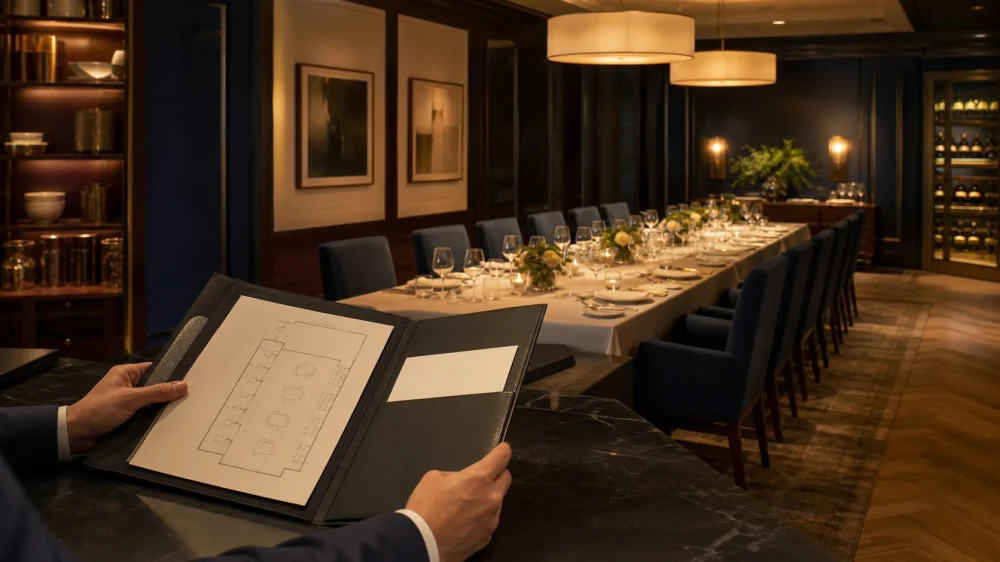
Get a floor plan or diagram showing tables, chairs, buffet, bar, cake table, gifts, screen, speakers, and accessible paths. Test Wi-Fi, microphone, display connection, audio, lighting, and power with the actual devices or adapters before the event.
Ask what can be attached to walls or ceilings and whether candles, confetti, glitter, balloons, flowers, signage, outside cake, or third-party rentals are allowed. Confirm delivery, loading, storage, setup, removal, and cleanup times plus any fee for abandoned items.
Set the service timeline
Create a run sheet for vendor access, host arrival, guest arrival, drinks, seating, remarks, each course, cake, last call, payment, and departure. Build in time for late guests and dietary plates. Share a single current version with the venue and key organizers.
Designate one host authorized to approve changes and one venue manager who can make decisions. Agree how staff will signal timing issues, extra spending, missing guests, or service delays without interrupting speeches.
Complete a final confirmation
Several days before the deadline, confirm final count, names or table assignments if required, allergies, menu, beverage limits, room layout, technology, deliveries, parking, contacts, arrival time, and balance due. Ask for the latest event order or written summary.
Bring the signed agreement, run sheet, contact numbers, seating plan, payment method, and backup copies of any presentation. At the end, review the itemized invoice against approved additions before paying, collect belongings, and save the contract and receipt.




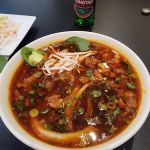 Song Lynn Vietnamese Restaurant4.0 (1149 reviews)
 Little Caesars Pizza3.0 (934 reviews)
 Flower Child4.0 (1193 reviews)
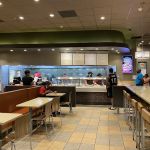 Panda Express3.0 (856 reviews)
 El Rincon Poblano Mexican Grill4.0 (356 reviews)
 Roma Cucina4.0 (240 reviews)
 Why These Restaurants in Phoenix Are Trending Right Now
 Best Seafood Restaurants in the US for Fresh and Flavorful Dishes
 How to Discover the Best Wine Pairings at Local Restaurants: A Complete Guide
 Local Favorites in Portland for Organic and Fresh Food Guide
 Where to Find the Best Burgers in Portland for a True Burger Lover’s Guide
 What to Expect When Dining at a Michelin Star Restaurant Experience Guide