
Entering the World of Michelin Star Dining: What First-Time Guests Should Know
- arrival-experience-setting-the-tone - arrival etiquette, dress expectations, early impressions
- tasting-menu-structure-and-flow - multi-course dining, pacing, chef storytelling
- service-etiquette-and-interaction - table service style, sommelier guidance, communication norms
- pricing-and-value-perspective - cost expectations, hidden value, emotional return
- real-dining-stories-and-case-insights - guest experiences, surprises, memorable moments
Dining at a Michelin-starred restaurant is not simply about eating. It is a carefully orchestrated experience where food, service, timing, and storytelling merge into something closer to performance art than a traditional meal. Many first-time guests arrive expecting “fancy food,” but what they encounter is something far more structured and emotionally layered.
In cities like New York, Chicago, and San Francisco, Michelin-level dining has become more accessible than it once was, but the expectations remain high. Understanding how the experience unfolds helps remove uncertainty and allows guests to actually enjoy what is being presented rather than trying to decode it in real time.

Arrival and First Impressions That Shape the Entire Evening
Subtle Luxury Instead of Loud Opulence
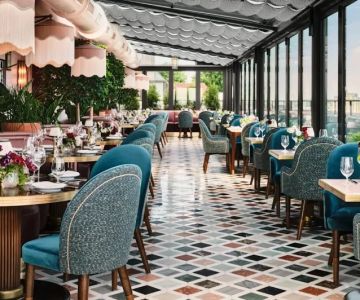
Unlike casual restaurants where energy is loud and fast-paced, Michelin star venues often feel intentionally restrained. Lighting is softer, conversation is controlled, and even the pacing of movement inside the dining room is deliberate. The goal is not to overwhelm but to focus attention on what will happen at the table.
Guests often notice that staff greet them with calm precision. There is no rush, no chaos, and no unnecessary noise. This initial atmosphere signals that everything that follows will be intentional.
Dress Code Expectations Without Strict Uniform Rules
While many Michelin restaurants no longer enforce rigid dress codes, the general expectation is polished attire. Think elevated casual or business elegant rather than formal black-tie. The idea is respect for the environment rather than adherence to strict rules.
One common misunderstanding is assuming that high-end dining always requires formal wear. In reality, many modern Michelin spaces prioritize comfort and expression over outdated formality, but still maintain a refined visual standard.
The Tasting Menu Experience and How It Actually Works
Why the Tasting Menu Exists in Michelin Dining
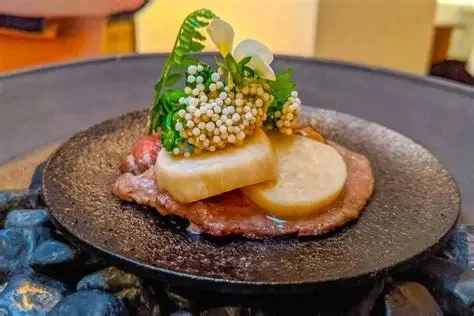
The tasting menu is the foundation of most Michelin star restaurant experiences. Instead of ordering individual dishes, guests are guided through a sequence of courses designed by the chef. Each plate is part of a narrative, often reflecting seasonal ingredients, regional inspiration, or personal storytelling.
This structure allows chefs to control pacing, flavor progression, and emotional impact. It also ensures that the guest experiences the restaurant exactly as intended.
Pacing, Silence, and Anticipation Between Courses
One of the most surprising aspects for first-time guests is the pacing. There are intentional pauses between courses that may feel long compared to casual dining. However, these breaks are part of the design. They reset the palate and build anticipation for the next presentation.
In a well-known Chicago Michelin experience, a guest once described the pacing as “like watching chapters of a book unfold, where you don’t rush ahead because you don’t want to miss the meaning of the last page.” This emotional rhythm is deliberate and central to the experience.
Service Style That Feels Invisible Yet Highly Precise
How Staff Anticipate Needs Without Disruption
Service in Michelin restaurants is often described as “invisible excellence.” Staff appear only when needed and disappear just as seamlessly. Water glasses are refilled without request, crumbs are cleared between courses, and utensils are replaced with precision timing.
This level of service requires extensive training and coordination. Every movement is intentional to ensure guests remain immersed in the dining experience rather than distracted by logistics.
Role of Sommeliers and Guided Pairings
Wine or beverage pairing is often an essential part of Michelin dining. Sommeliers don’t just suggest drinks; they build complementary flavor narratives that enhance each course.
Guests unfamiliar with pairing often find this guidance transformative. Instead of choosing independently, they experience combinations they may never have considered, often discovering entirely new flavor profiles.
Pricing, Value, and What You Are Really Paying For
Beyond the Cost of Ingredients
At first glance, Michelin star dining can appear expensive. However, the price reflects far more than ingredients. It includes research, technique, staffing, ambiance design, and the time-intensive nature of multi-course preparation.
Many guests compare it to entertainment, art, or theater rather than traditional dining. You are paying for the orchestration of an experience rather than individual food items.
Emotional Value and Memory Creation
A common theme among returning guests is that they rarely remember individual prices, but they clearly remember emotional moments: a dish that surprised them, a presentation that felt theatrical, or a flavor combination they had never experienced before.
This emotional retention is part of why Michelin dining continues to attract global attention even when budgets are tight.
Real Dining Story: A First-Time Michelin Experience in San Francisco
Expectations vs Reality
A first-time guest visiting a Michelin restaurant in San Francisco expected “small portions and fancy presentation.” What actually happened was a carefully constructed 12-course journey that included storytelling elements tied to local ingredients and seasonal transitions.
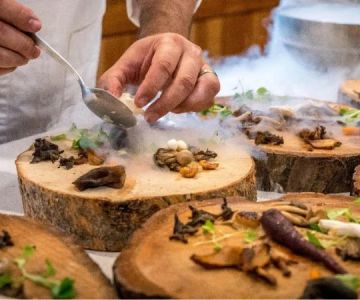
One course featured a simple seafood dish presented with smoke and aromatic herbs. The guest later described it not as food alone, but as a sensory memory tied to coastal landscapes and weather patterns.
Unexpected Emotional Response
What surprised the guest most was emotional engagement. They did not expect to feel nostalgia or curiosity triggered by flavor alone. Yet certain courses evoked memories of travel and personal experiences, something they had never associated with dining before.
This is where Michelin dining often transcends expectation—it becomes personal rather than purely culinary.
How to Prepare for the Experience Without Overthinking It
Letting Go of Ordering Control
Unlike traditional restaurants, Michelin dining requires trust. Guests do not control the menu; instead, they follow the chef’s direction. Accepting this shift is key to enjoying the experience.
Adjusting Expectations About Portion Size
While portions may appear small individually, the overall experience is typically satisfying due to the number of courses and progression of flavors. Thinking in terms of journey rather than quantity helps reset expectations.
For readers exploring fine dining options or planning their first reservation, Restaurants Explorer offers curated insights into Michelin experiences and helps match diners with restaurants suited to their preferences and comfort level.
The Subtle Psychology Behind Michelin-Level Dining
Designing Emotion Through Food Progression
Chefs often design menus to move guests through emotional phases: surprise, comfort, curiosity, and reflection. This is achieved through ingredient progression and presentation style rather than explicit storytelling.
Why Silence and Space Matter in Luxury Dining
Silence in Michelin restaurants is not emptiness—it is part of the structure. It allows guests to focus on taste, texture, and aroma without distraction. This intentional space is what differentiates fine dining from casual restaurant environments.
Final Thoughts on Entering Michelin Dining for the First Time
The most important expectation is not about food quantity or complexity, but openness. Michelin dining rewards curiosity and patience. Those who enter with flexible expectations often leave with a completely new understanding of what dining can be.


 Taco Bell3.0 (714 reviews)
 Thai Elephant Bistro4.0 (269 reviews)
 Hungry Birds3.0 (108 reviews)
 Tortas Paquime4.0 (1928 reviews)
 Wendy's3.0 (1876 reviews)
 Yoshi's Restaurant4.0 (898 reviews)
 Where to Find the Best Artisan Bread in Your City
 How to Enjoy Dining Alone at a Restaurant: Tips for a Solo Experience
 The Best Sushi Restaurants in Austin for a Fresh Dining Experience
 Craving BBQ These Southern Restaurants Stand Out for Flavor
 The Best Places for Fresh, Organic Lunches in San Francisco
 Best Wine Pairing Tips for Fine Dining in 2025