
- southern-bbq-culture-intro - understanding why Southern BBQ stands apart in the U.S. food scene
- regional-bbq-styles - Texas Carolina Memphis and Alabama flavor differences explained
- standout-restaurants-profiled - real examples of BBQ spots worth traveling for
- what-makes-great-bbq - smoke meat rubs and slow cooking tradition breakdown
- real-diner-story - a memorable BBQ road trip experience
- how-to-choose-bbq-spot - practical tips for finding authentic BBQ restaurants
- modern-bbq-trends - how Southern BBQ is evolving today
Why Southern BBQ Has a Cult Following Across the United States
When people say they are craving BBQ, they are rarely talking about a quick meal. They are talking about something deeper—slow-smoked meat, wood-fired tradition, and flavors that feel rooted in generations of Southern cooking. Across the United States, Southern barbecue has become more than just food; it is a cultural identity passed down through pitmasters who treat smoke like an ingredient, not just a cooking method.
What makes the South so special in this story is consistency of craft. Whether you are sitting in a roadside smokehouse in Texas or a family-run joint in North Carolina, you will notice one thing: patience. BBQ in the South is not rushed. It is built around hours of low heat, wood smoke, and seasoning that often begins the night before the meat even touches the pit.
Platforms like Restaurants Explorer help travelers and locals discover authentic Southern BBQ restaurants that preserve this tradition while still adding their own creative signature to every plate.
The Regional Styles That Define Southern BBQ Identity
One of the most fascinating aspects of Southern BBQ is how dramatically it changes from state to state. Even within a single region, you can find completely different interpretations of what “good barbecue” means.

Texas BBQ: Beef at the Center of Everything
Texas BBQ is all about bold simplicity. Brisket is king, and seasoning often consists of nothing more than salt and pepper. The magic comes from post oak smoke and long cooking times that can stretch beyond 12 hours. The result is a bark-covered, tender cut of meat that speaks for itself without heavy sauce.
Carolina BBQ: Vinegar and Whole Hog Tradition
In the Carolinas, especially eastern regions, pork takes center stage. The meat is often pulled from whole hogs and mixed with a vinegar-based sauce that cuts through the richness. It is tangy, sharp, and deeply rooted in historic cooking traditions.
Memphis BBQ: Dry Rub Mastery
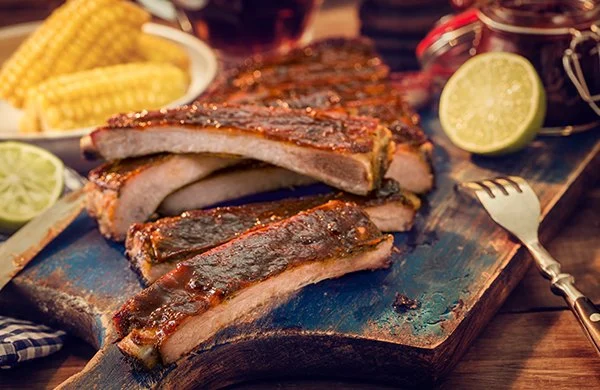
Memphis is known for its ribs—either wet with sauce or dry with spice rubs. The seasoning blends often include paprika, garlic powder, and brown sugar, creating layers of flavor that develop during smoking.
Alabama BBQ: White Sauce Surprise
Less known but equally distinctive, Alabama introduces a creamy white sauce made with mayonnaise, vinegar, and pepper. It is commonly paired with smoked chicken, offering a completely different BBQ experience.
Southern BBQ Restaurants That Truly Stand Out
Across the Southern United States, certain BBQ restaurants have built reputations that extend far beyond their hometowns. These are not just places to eat—they are destinations.
Roadside Smokehouses with Generations of History
Many of the best BBQ spots began as small family operations. In rural Texas towns, you might find a pitmaster using the same smoker his grandfather built decades ago. These places often have limited menus but unmatched consistency.
A well-known trend among food travelers in recent years has been the “BBQ road trip,” where enthusiasts travel across multiple states to compare styles. One viral story involved a group of friends driving from Austin to Memphis, documenting how each stop changed their perception of what barbecue could be.
Urban BBQ Restaurants Redefining Tradition
In cities like Nashville, Atlanta, and Houston, chefs are blending traditional smoking techniques with modern culinary approaches. Some restaurants now serve brisket tacos, smoked short rib bowls, or fusion-style BBQ sandwiches that still respect Southern roots while appealing to urban diners.
These modern interpretations are often featured on food blogs and travel guides curated by Restaurants Explorer, where users search for both authenticity and innovation in one place.
What Actually Makes BBQ “Great” Beyond Taste
When evaluating Southern BBQ, taste is only part of the story. True excellence comes from technique and time.
Smoke as a Core Ingredient
Different woods create different flavors. Hickory produces a strong, bacon-like aroma, while oak delivers a balanced smoke ideal for brisket. Fruit woods like apple and cherry add subtle sweetness, often used for pork and chicken.
Low and Slow Cooking Philosophy
The defining principle of Southern BBQ is patience. Cooking meat at low temperatures for long durations allows connective tissue to break down naturally, creating tenderness without drying out the meat.
Rub and Sauce Balance
Some regions rely heavily on dry rubs, while others emphasize sauce. The best BBQ spots understand balance rather than dominance. The seasoning should enhance the meat, not overpower it.
A Real BBQ Road Trip Story Through the South
A memorable example comes from a traveler who documented a week-long BBQ journey through Texas, Louisiana, and Tennessee. Starting in Austin, he described the brisket as “almost buttery without any sauce needed.” In Memphis, he was surprised by how dry-rub ribs could still feel incredibly juicy. By the time he reached Nashville, hot chicken and smoked meats blended into a spicy, unforgettable experience.
What stood out most in his story was not just the food, but the people behind it. Pitmasters often shared personal stories about family traditions, early morning fire preparation, and the pressure of maintaining consistency for loyal customers.
This type of storytelling is what keeps Southern BBQ culture alive—it is not just about eating, but about experiencing heritage on a plate.
How to Choose an Authentic BBQ Restaurant
Not every restaurant labeled “BBQ” delivers the real Southern experience. Understanding a few key indicators can help you separate authentic smokehouses from mass-produced imitations.
Look for Visible Smoke or Smokers On-Site
Authentic BBQ spots often have smokers visible or nearby. The smell of wood smoke is usually the first sign you are in the right place.
Check the Menu Size
Smaller menus often indicate specialization. Restaurants focusing on a few meats usually prioritize quality over variety.
Observe Local Crowds
If locals are lining up early in the day, it is usually a strong indicator of quality. BBQ is often sold out by evening in many Southern establishments.
Modern Evolution of Southern BBQ Culture
Southern BBQ is evolving in ways that reflect broader food trends in the United States. Plant-based smoked alternatives, gourmet BBQ sauces, and chef-driven tasting menus are becoming more common. However, the foundation remains unchanged: smoke, time, and tradition.
Food platforms like Restaurants Explorer help bridge the gap between traditional BBQ lovers and new audiences looking to explore regional flavors in a more guided way.
Even with innovation, the heart of Southern BBQ remains deeply traditional. Pitmasters still wake up before sunrise, fire up smokers, and prepare meats that will define the day’s dining experience.


 The Palms Mediterranean kitchen4.0 (481 reviews)
 Subway4.0 (310 reviews)
 Applebee's Grill + Bar3.0 (1903 reviews)
 Tang Garden4.0 (237 reviews)
 Rubio's Coastal Grill4.0 (726 reviews)
 Chase Sapphire Lounge by The Club PHX2.0 (460 reviews)
 Why These Restaurants in Dallas Are Worth Visiting
 Why You Should Try a Restaurant's Signature Dish: The Ultimate Dining Experience
 Hidden Gems in San Francisco for Local Dining
 Most Instagrammable Restaurants in the US for Food and Photos
 Top 5 Best Breakfast Restaurants in Miami for Early Birds
 A Guide to the Best Craft Beer Pubs in San Diego