
- immersive-dining-experiences-explained - What experiential dining means today
- interactive-restaurant-trends - How guests shape modern menus
- themed-restaurants-rise - Why storytelling matters in food spaces
- social-media-driven-dining - How viral spots influence reservations
- future-of-us-restaurants - Where dining concepts are heading next
Unique Dining Concepts That Are Redefining Restaurants in the US
Dining out in the United States has changed in a way that feels less like “going out to eat” and more like stepping into an experience. Restaurants are no longer judged only by flavor or price, but also by how memorable the entire visit feels. From multi-sensory lighting to chefs who cook directly in front of guests, the rise of experiential dining has reshaped what people expect when they sit down at a table.
One reason for this shift is simple: food alone is no longer enough to stand out. Social media has turned meals into shared moments, and restaurants now compete for attention as much as for taste. A visually striking plate or a themed environment can travel far beyond the dining room in minutes. This cultural shift is exactly why unique dining concepts that are trending in the US have become a major force in the hospitality industry.
Immersive Dining Experiences That Turn Meals Into Stories
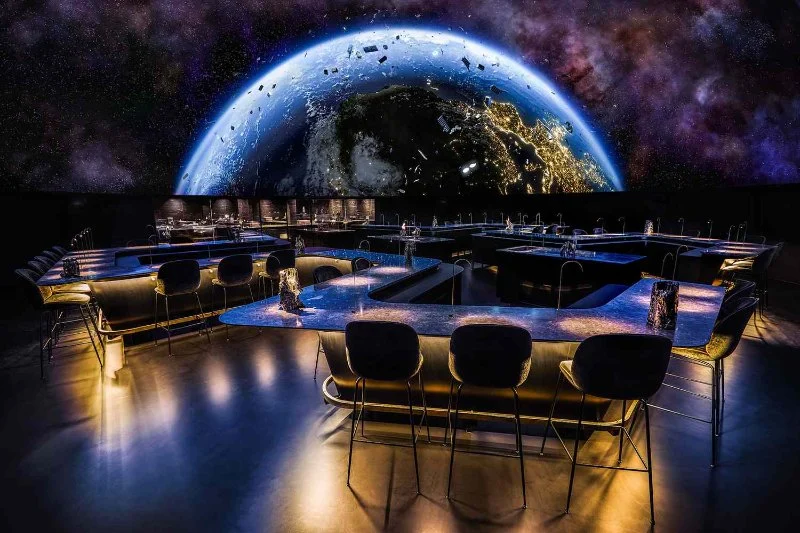
One of the strongest movements in modern dining is immersive experiences, where guests feel like they are part of a story instead of just eating a meal. These restaurants often combine lighting, sound, projection mapping, and curated menus to create an environment that changes throughout the visit.
A well-known example that circulated widely on social platforms was a pop-up dining concept in New York where each course represented a different “chapter” of a fictional journey across seasons. Diners reported feeling like they were inside a film rather than a restaurant. This type of concept highlights how immersive dining experiences are becoming a key part of modern restaurant innovation in the US.
Some chefs have even gone further, designing menus that respond to audience interaction. If guests choose a certain path or ingredient combination, the next course changes accordingly. This flexible structure keeps diners engaged and encourages repeat visits, since no two experiences are exactly the same.
Themed Restaurants That Bring Imagination to the Table
Themed dining is not new, but it has evolved dramatically. Instead of simple decorations, today’s themed restaurants build entire worlds. You might find yourself dining inside a jungle environment with simulated rain sounds, or inside a retro diner designed to feel like a 1980s movie set.
These themed restaurants in the USA are particularly popular among younger diners who value shareable experiences. A meal becomes part of a larger narrative, and every corner of the restaurant is designed for visual storytelling.
One interesting case involved a medieval-themed restaurant in Texas that unexpectedly went viral because of its live jousting performances during dinner service. While unconventional, it demonstrated how strong thematic commitment can turn a local restaurant into a national talking point almost overnight.
This trend is closely tied to the rise of nostalgia marketing. Diners want to feel transported, whether that means revisiting childhood memories or experiencing something completely unfamiliar. Restaurants that successfully balance authenticity with entertainment often see long-term success.
Interactive Dining Where Guests Become Part of the Process
Another growing trend is interactive dining, where customers are not just passive consumers but active participants in the food experience. This includes build-your-own meal concepts, chef-guided cooking tables, and even restaurants where guests help prepare components of their dishes.
In cities like Los Angeles and Chicago, interactive sushi bars and DIY ramen stations have become especially popular. Diners enjoy the sense of control, while chefs still maintain quality by guiding the process.
What makes this trend powerful is its ability to create emotional connection. When someone prepares part of their meal, they naturally value it more. This psychological effect is one reason why interactive dining experiences are considered one of the fastest-growing segments in modern US restaurants.
Social Media-Driven Dining and Viral Restaurant Culture
Social media has transformed how restaurants are discovered. A single viral video can turn an unknown café into a nationwide destination. This has encouraged chefs and owners to design spaces and dishes that photograph well under natural lighting and phone cameras.
Many restaurants now intentionally create “signature moments” designed for sharing. This might include dramatic dessert presentations, colorful drinks with smoke effects, or neon-lit interiors that stand out on Instagram feeds.
One notable example was a dessert shop in Miami that introduced a glowing cotton candy cone served with edible glitter. It became a viral sensation within days, with customers lining up just for the photo opportunity. While some critics argue this prioritizes appearance over substance, many businesses find it essential for survival in a competitive market.
Modern Experimental Concepts and the Future of Dining
Looking ahead, restaurants are continuing to push boundaries. Some are experimenting with AI-assisted menus that adapt based on dietary preferences and emotional cues. Others are exploring fully automated kitchens combined with human storytelling elements.
There are also hybrid concepts emerging where dining is combined with entertainment, such as live performances, art exhibitions, or even escape-room-style challenges integrated into meals.
In this evolving landscape, platforms like Restaurants Explorer are becoming helpful for diners who want to discover curated recommendations that match their preferences. As dining becomes more complex and experience-driven, having a reliable way to explore high-quality restaurants can make all the difference in choosing where to go next.
What stands out most in all these developments is that food culture in the US is no longer static. It is interactive, visual, emotional, and constantly evolving. The most successful restaurants are not just serving meals—they are designing memories that people want to revisit and share.
 Blazin Buffalo Wings4.0 (262 reviews)
 Whataburger4.0 (3802 reviews)
 Charleys Cheesesteaks and Wings3.0 (40 reviews)
 Subway3.0 (140 reviews)
 The Nach4.0 (172 reviews)
 Rubio's Coastal Grill4.0 (602 reviews)
 Craving Healthy Food? These Restaurants Make It Easy
 Why Fusion Cuisine Restaurants Are Gaining Popularity
 Where to Find the Best Street Tacos in San Diego
 The Most Popular Seafood Restaurants in Los Angeles Right Now
 Real Reasons Why Local Restaurants Often Beat Chains: A Culinary Perspective
 Best Restaurants Near Me Serving Breakfast All Day: Top Picks for Food Lovers