
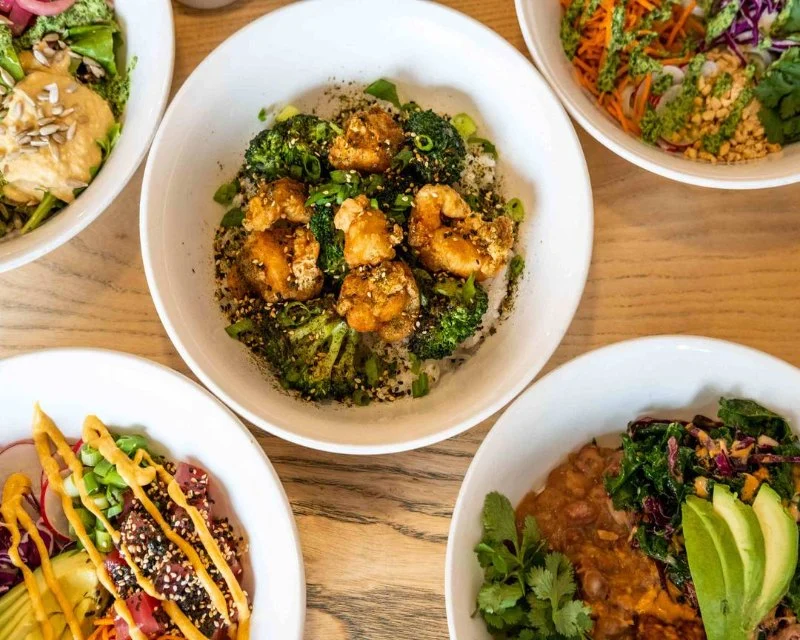
- finding-healthy-options-near-you-Understanding-what-healthy-really-means
- reading-menus-like-a-pro-spotting-hidden-calories-and-sodium
- choosing-balanced-meals-when-eating-out-practical-strategies
- real-life-dining-situations-making-smart-choices-on-the-go
- building-long-term-habits-how-to-eat-well-without-stress
Finding Healthy Restaurants Nearby and Understanding What “Healthy” Really Means
Searching for “healthy restaurants near me” sounds simple, but in reality, it often leads to confusion. Every place claims to be healthy in some way—fresh ingredients, organic menus, low-calorie meals—but those labels don’t always reflect the full picture. A truly healthy restaurant experience goes beyond marketing words. It’s about balance, ingredient quality, preparation methods, and portion control.
In many U.S. cities, especially urban areas with fast-paced lifestyles, people rely on eating out multiple times a week. This makes the ability to identify genuinely nutritious options more important than ever. For example, a bowl labeled “superfood salad” may still contain heavy dressings or processed toppings that increase calories significantly. Understanding this difference helps you make better decisions without giving up dining convenience.
A helpful mindset shift is to think less about “perfect meals” and more about consistent, balanced patterns. That means choosing restaurants that offer grilled or baked proteins, vegetable-forward dishes, and customizable options instead of relying on fried or heavily processed foods.
For people looking to simplify this process, platforms like Restaurants Explorer can help identify reliable dining spots that prioritize ingredient quality and nutrition transparency. This can save time while improving long-term eating habits.
Reading Menus Like a Pro and Spotting Hidden Nutritional Traps
Menus are designed to persuade, not always to inform. Words like “crispy,” “creamy,” or “signature sauce” often signal higher fat, sugar, or sodium content. Learning how to decode menu language is a powerful skill for anyone trying to maintain a healthier diet while eating out.
One common example is salads. While they seem like the safest option, many restaurant salads contain more calories than a burger due to toppings like candied nuts, cheese, fried chicken, and heavy dressings. A simple adjustment—asking for dressing on the side or choosing olive oil-based options—can drastically improve nutritional value.
Another area to watch is beverages. Smoothies, specialty coffees, and even “fresh juices” can contain surprising amounts of added sugar. Opting for water, unsweetened tea, or lightly flavored sparkling water helps maintain balance without sacrificing enjoyment.
A real-world case comes from a popular social media trend where users compared “healthy” lunch bowls from different chain restaurants. The findings showed that some bowls labeled as wellness-focused contained over 1,000 calories due to hidden oils and sauces. This sparked conversations about transparency in restaurant nutrition labeling and encouraged more diners to ask detailed questions before ordering.
Choosing Balanced Meals Without Feeling Restricted or Overwhelmed
Eating healthy at restaurants doesn’t mean ordering the most boring item on the menu. Instead, it’s about strategic balancing. A well-structured plate typically includes lean protein, fiber-rich vegetables, and a moderate portion of carbohydrates.
For instance, choosing grilled salmon with roasted vegetables and quinoa offers a more balanced nutrient profile than fried chicken with fries—even if both options appear on a “healthy” menu. The key is not elimination but substitution.
Another useful strategy is the “half-plate rule.” When food arrives, visually divide your plate in half and ensure at least half is filled with vegetables or plant-based ingredients. This approach works even in casual dining environments where nutritional information may not be available.
Restaurants that emphasize customization are often better choices. Being able to swap fries for a salad, choose whole grains, or adjust portion sizes gives you more control over your intake. Again, using curated platforms like Restaurants Explorer can help locate places that support these flexible dining styles.
Real-Life Dining Situations and How People Make Smart Choices on the Go
Consider a busy office worker in Chicago who eats out five days a week due to a demanding schedule. Initially, their lunches consisted of fast food combos and sugary drinks. Over time, they began making small adjustments—grilled proteins instead of fried, water instead of soda, and choosing side salads instead of fries. Within months, they noticed improved energy levels and fewer afternoon crashes.
Another example comes from a family in California trying to manage dietary restrictions. Instead of avoiding restaurants entirely, they focused on ethnic cuisines that naturally support healthier ingredients, such as Mediterranean and Asian-inspired dishes. By selecting grilled meats, vegetable-based soups, and rice bowls with controlled portions, they maintained both variety and nutrition.
These examples show that healthy eating outside the home is not about strict rules but about informed decisions. The more familiar you become with restaurant patterns, the easier it becomes to make instinctive choices that support your wellbeing.
Building Long-Term Habits for Eating Well Without Stress or Guilt
Sustainable healthy eating is not built on restriction but on awareness. The goal is not to avoid restaurants but to navigate them confidently. Over time, individuals who regularly practice mindful ordering develop a natural sense of what works for their bodies and what doesn’t.
One effective habit is pre-checking menus before arriving at a restaurant. This reduces impulsive decisions and allows you to plan balanced meals in advance. Another habit is listening to your body’s response after meals—energy levels, digestion comfort, and satiety all provide useful feedback.
Social environments also play a role. Many people feel pressured to order indulgent items when dining with friends or colleagues. Having a personal guideline—such as always including vegetables or avoiding sugary drinks—helps maintain consistency without limiting social enjoyment.
Over time, these small decisions accumulate into meaningful health improvements. Better digestion, more stable energy, and improved mood are often reported by people who gradually refine their restaurant habits rather than making drastic dietary changes overnight.
Healthy eating while dining out is ultimately about empowerment. Once you understand how to interpret menus, identify balanced meals, and navigate real-world situations, restaurants become an extension of your wellness routine rather than an obstacle to it.






 Bonnie Burgers hamburgesas al carbon5.0 (1 reviews)
 414 Pub Pizza & Karaoke - Tempe4.0 (1145 reviews)
 Pepe's Tacos Con Sabor5.0 (3 reviews)
 Halal Naan & Curry4.0 (60 reviews)
 Chick-fil-A4.0 (579 reviews)
 Carrabba's Italian Grill4.0 (1745 reviews)
 Where to Find the Best Wine Pairings with Dinner in Your City
 Why You Should Try the Best Mediterranean Cuisine Restaurants in San Diego
 A Guide to Finding the Best Comfort Food Restaurants in Your City
 Why You Should Treat Yourself to the Best Dessert in New York City
 How to Find the Best Japanese Restaurants in Your City | Top Tips for Finding Authentic Sushi & More
 How to Enjoy a Michelin-Starred Meal Without Breaking the Bank