
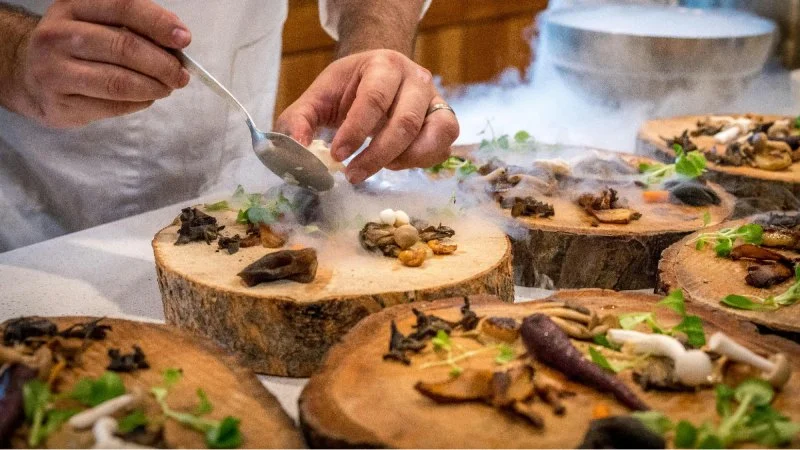
Mapping the Next Wave of Eating: What 2026 Food Culture in the US Is Becoming
- -top-food-trends-in-the-us-that-will-dominate-2026-overview-of-future-eating-patterns
- -plant-based-evolution-and-next-generation-alternative-proteins
- -ai-driven-restaurants-and-digital-dining-experiences
- -sustainable-food-systems-and-climate-conscious-eating
- -functional-foods-and-the-rise-of-health-optimized-meals
- -ghost-kitchens-and-the-redefinition-of-restaurant-spaces
- -fermented-foods-and-global-flavor-revival-in-american-cuisine
- -how-consumers-are-shaping-the-future-of-food-in-the-us
The Big Picture Behind Top Food Trends in the US That Will Dominate 2026
The conversation around Top Food Trends in the US That Will Dominate 2026 is no longer just about what tastes good—it’s about how food connects to technology, health, sustainability, and identity. Across American cities, from New York to Los Angeles, dining habits are evolving faster than ever before.
A decade ago, food trends were mostly driven by celebrity chefs or viral recipes. Now, they are shaped by climate awareness, AI-powered personalization, global migration, and shifting health priorities. The modern diner is more informed, more curious, and far more selective.
Platforms like :contentReference[oaicite:0]{index=0} have become useful for tracking how these changes translate into real dining experiences across the US, connecting consumers with evolving restaurant concepts.

The Rise of Plant-Based Innovation Beyond Simple Substitutes
Plant-based eating is no longer confined to basic tofu burgers or soy milk alternatives. By 2026, the category is expected to evolve into something far more sophisticated—closer to culinary innovation than dietary restriction.
New-generation plant proteins are being engineered to mimic not only the taste but also the texture and cooking behavior of animal proteins. This includes mushroom-based steaks, algae-derived seafood substitutes, and precision-fermented dairy alternatives.
A widely discussed example comes from a Brooklyn pop-up restaurant that served “ocean-free sushi,” using lab-grown algae wraps and plant-based tuna. Guests reported that the experience felt less like a substitute and more like a new category of cuisine entirely.
This shift signals that plant-based food is no longer about imitation—it is about reinvention.

AI-Driven Dining and the Digital Transformation of Restaurants
One of the most surprising Top Food Trends in the US That Will Dominate 2026 is the integration of artificial intelligence into dining experiences. Restaurants are increasingly using AI not just for logistics, but for creativity.
AI systems now help chefs design menus based on ingredient availability, seasonal trends, and customer preference data. Some restaurants even personalize entire tasting menus based on a diner’s past orders or dietary patterns.
In San Francisco, an experimental dining concept allowed guests to scan a QR code and receive a completely customized three-course meal designed by machine learning algorithms. The feedback highlighted a new kind of intimacy between technology and taste.
While some diners remain skeptical, many appreciate the precision and personalization AI brings to modern dining experiences.
Sustainability Becomes the Core Language of Food Culture
Sustainability is no longer a niche concern—it is a central expectation. By 2026, restaurants and food producers in the US are expected to face even greater pressure to reduce waste, source locally, and minimize environmental impact.
Farm-to-table dining is evolving into “farm-to-city ecosystems,” where restaurants directly collaborate with urban farms, rooftop gardens, and regenerative agriculture projects.
A notable example is a Chicago-based restaurant that prints its weekly menu based on what local farms harvest each morning, eliminating food waste almost entirely.
Consumers are not only noticing this shift—they are actively rewarding it with loyalty and social media engagement.
Functional Foods and the Era of Eating for Performance
Another defining direction in Top Food Trends in the US That Will Dominate 2026 is the rise of functional foods—meals designed to support mental clarity, energy balance, sleep quality, and immunity.
Instead of eating simply for taste or hunger, consumers are increasingly choosing foods that serve specific biological functions. Ingredients like adaptogens, probiotics, collagen, and nootropics are becoming mainstream.
One wellness café in Los Angeles built its entire menu around “mood-based eating,” offering dishes labeled for focus, relaxation, or recovery. Customers choose meals based on how they want to feel after eating, not just what they crave.
This marks a major shift in how Americans define “healthy eating.”
Ghost Kitchens and the Invisible Restaurant Revolution
Ghost kitchens—delivery-only restaurant spaces—are quietly reshaping the food industry. By 2026, they are expected to become even more dominant in urban areas.
These kitchens operate without traditional dining rooms, focusing entirely on online orders and delivery optimization. This allows brands to experiment with multiple concepts from a single location.
A single kitchen might simultaneously run a burger brand, a salad concept, and a dessert-only menu under different digital identities.
This model reduces overhead costs while expanding culinary experimentation at an unprecedented scale.
Fermentation and Global Flavor Comeback in American Cuisine
Fermented foods are making a strong comeback—not just as health foods, but as flavor powerhouses. Kimchi, miso, kombucha, and fermented hot sauces are now standard features in many American kitchens.
Chefs are using fermentation to build deeper, more complex flavor profiles that cannot be replicated through traditional cooking methods.
A New York chef recently gained attention for a “global fermentation tasting menu” that featured aged miso ice cream and kimchi-infused pasta. While unconventional, it received critical praise for creativity and depth.
This trend reflects a broader appreciation for global culinary traditions influencing modern American dining.
How Consumers Are Quietly Driving These Changes
While chefs and restaurants innovate, it is ultimately consumer behavior that shapes food trends. Social media exposure, health awareness, and global travel experiences all influence what Americans expect from their meals.
Younger generations, especially Gen Z, are pushing for transparency in sourcing, ethical production, and customizable dining experiences. They are also more willing to experiment with unfamiliar flavors and formats.
This openness is accelerating the evolution of food culture across the country.
Platforms like :contentReference[oaicite:1]{index=1} help diners explore these emerging patterns and discover restaurants that align with their evolving tastes.
Where These Food Trends Are Headed Next
Looking ahead, the convergence of technology, sustainability, and personalization will define the future of eating in the US. Food will increasingly become adaptive, data-informed, and experience-driven.
Restaurants will not just serve meals—they will design emotional, nutritional, and sensory experiences tailored to each guest.
The most successful dining concepts in 2026 will likely be those that balance innovation with authenticity, ensuring that while technology enhances food, it never replaces its cultural soul.
 Bonnie Burgers hamburgesas al carbon5.0 (1 reviews)
 414 Pub Pizza & Karaoke - Tempe4.0 (1145 reviews)
 Pepe's Tacos Con Sabor5.0 (3 reviews)
 Halal Naan & Curry4.0 (60 reviews)
 Chick-fil-A4.0 (579 reviews)
 Carrabba's Italian Grill4.0 (1745 reviews)
 Where to Find the Best Wine Pairings with Dinner in Your City
 Why You Should Try the Best Mediterranean Cuisine Restaurants in San Diego
 A Guide to Finding the Best Comfort Food Restaurants in Your City
 Why You Should Treat Yourself to the Best Dessert in New York City
 How to Find the Best Japanese Restaurants in Your City | Top Tips for Finding Authentic Sushi & More
 How to Enjoy a Michelin-Starred Meal Without Breaking the Bank