
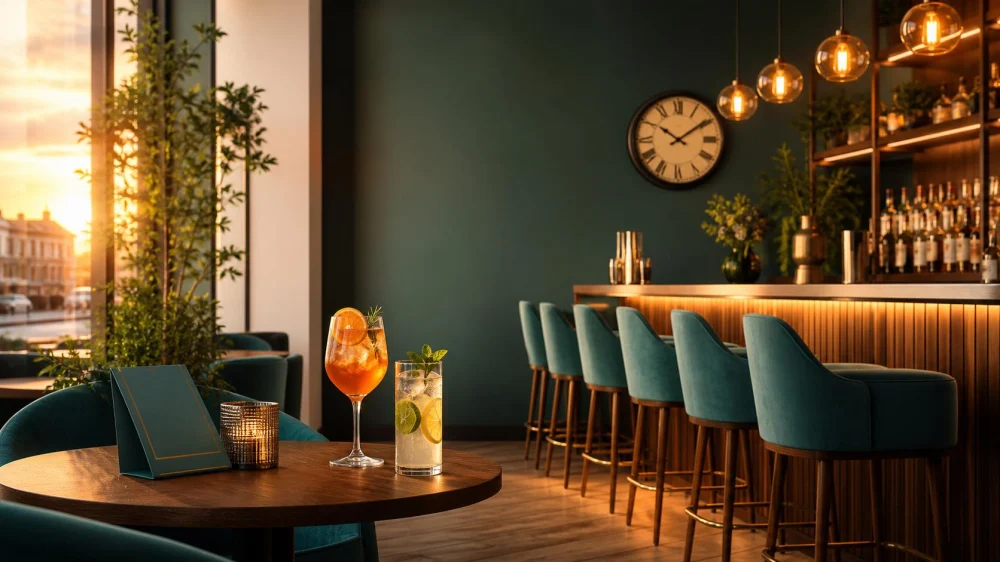
Restaurant Happy Hour: Check Times, Seating, and Eligible Orders
Table of contents
- Quick answer
- Verify today’s offer directly
- Understand the time window
- Confirm where the offer applies
- Read the eligible menu closely
- Plan arrival, identification, and transport
- Review the bill before paying
- Coordinate a group without confusion
- Respect limits and local rules
- Frequently asked questions
- Sources and verification
- Conclusion
Quick answer
Before visiting a restaurant for happy hour, confirm the current day and time, eligible seating area, food and drink list, order cutoff, age and identification rules, reservation policy, service charge, and whether the offer runs during holidays or events. Use the restaurant’s official channel and ask for today’s details. A social post, menu photo, or directory listing may be outdated, and local alcohol rules can change what a restaurant may offer.

Verify today’s offer directly
Start with the restaurant’s official website, reservation profile linked from that website, or a phone call to the location. Check the date on any menu or announcement. Happy-hour schedules can change with seasons, staffing, sporting events, private bookings, holidays, or local restrictions. A photo uploaded by a customer may show a genuine offer that no longer exists.
Ask a narrow question: “What happy-hour offer is available at this location today, and where can we sit to receive it?” Record the answer, the time of the call, and the person or channel that provided it when the outing depends on the promotion. For a long trip or large group, request a current written menu or confirmation.
Do not assume two branches share a policy. Franchise ownership, licenses, building layout, and local rules may differ. Airport, hotel, stadium, casino, and event-venue locations often operate under distinct access, parking, reservation, or pricing systems.
Understand the time window
A listed time such as 3–6 p.m. can refer to seating time, order-entry time, or the period when qualifying items are served. Ask whether guests must arrive before the start, be seated before the cutoff, or place every eligible order before it ends. Confirm whether a final round is permitted and whether the point-of-sale system automatically returns to regular prices at the cutoff.
Check the day as carefully as the hour. “Weekdays” may exclude Friday or holidays. A late-night offer may start on selected nights only, and the kitchen may close earlier than the bar. If food is important, ask for both happy-hour and kitchen cutoff times.
Arrive with a buffer. Parking, host queues, security checks, elevator waits, and a full bar can consume the promotion window. Joining a waitlist does not necessarily lock in a price. Ask what happens when the restaurant cannot seat a timely arrival until after the offer ends.
Confirm where the offer applies
Many restaurants limit happy hour to a bar, lounge, patio, counter, standing area, or specifically marked tables. Confirm whether the seats are reservable, first come first served, or part of a separate queue. Ask whether all members of the party must be present before seating and whether minors may enter that area under local rules and restaurant policy.
Consider physical access and comfort. Request information about step-free routes, table height, seating with a back, maneuvering space, lighting, noise, heaters, shade, and restroom access. If the qualifying area does not work for a guest’s disability, contact the restaurant early to discuss an appropriate accommodation. Do not assume staff can move a promotional offer to another room without advance coordination.
Outdoor or rooftop areas may close because of weather or wind even when the main restaurant remains open. Ask whether the offer transfers indoors in that situation. Verify current conditions shortly before departure.
Read the eligible menu closely
Look for item names, sizes, brands, preparation, price, and restrictions. A promotion may cover a house wine, selected draft beer, particular cocktails, well spirits, small plates, or a limited portion rather than the regular-menu version. Ask about substitutions, upgrades, premium pours, mocktails, and nonalcoholic choices.
For food allergies or dietary needs, use the same care you would at a regular meal. Tell staff the specific allergen, ask about ingredients and cross-contact, and do not infer safety from a short promotional description. The lower price does not change the need for clear communication. If the kitchen cannot answer confidently, choose an alternative it can support.
Clarify whether a minimum purchase, one-item limit, membership, app, coupon, or payment method applies. Ask whether the offer combines with loyalty points, gift cards, birthday rewards, or other discounts. “Half price” means little unless you know the eligible base item and size.
Plan arrival, identification, and transport
Bring valid identification when alcohol service is planned. The restaurant may apply carding and service policies more strictly than a guest expects. Never borrow, alter, or share identification, and do not pressure staff to override a denial of service.
Choose transportation before ordering. Designate a driver who will not drink, use public transit, arrange a taxi or ride service, or stay within walking distance when the route is safe. Confirm parking closing times and whether a vehicle can remain overnight. Alcohol affects people differently; a promotional price is not a reason to increase consumption.
Eat, drink water, and pace the visit. Guests who are pregnant, taking medication, managing a health condition, or concerned about alcohol should follow individualized medical guidance. Nonalcoholic happy-hour choices can make the gathering more inclusive.
Review the bill before paying
When ordering, point to the current happy-hour menu and repeat the item and price. If a modification changes eligibility, ask staff to explain before placing it. Keep track of items ordered near the cutoff because they are a common source of misunderstandings.
Review the itemized bill for item size, quantity, promotional price, tax, automatic gratuity, service charge, cover, or entertainment fee. Ask calmly about a discrepancy before payment. A service charge is not automatically the same as a gratuity; the restaurant should explain how it is presented and whether an additional tip line is expected.
For split checks, ask before ordering. Some bars keep one tab per party, require a card to open a tab, or restrict splitting during busy periods. Confirm that the card and receipt returned at the end belong to the correct guest.
Coordinate a group without confusion
Send the group the verified location, qualifying area, arrival target, offer end time, reservation or waitlist plan, accessibility details, transportation options, and expected payment arrangement. Encourage each guest to check identification and dietary needs before leaving.
Choose one person to speak with the host and one backup. A group arriving in fragments can lose tables or shorten its ordering window. If head count changes, tell the restaurant. Do not hold extra bar seats with belongings when other guests are waiting.
Respect limits and local rules
Alcohol retail service in the United States is regulated through overlapping federal, state, and local frameworks. The Alcohol and Tobacco Tax and Trade Bureau explains that state and local jurisdictions may impose requirements beyond federal rules, and its directory links to alcohol beverage authorities. That is why happy-hour promotions, drink limits, serving hours, age access, and advertising can differ by location.
Staff may refuse or stop alcohol service based on law, license conditions, safety, or house policy. Cooperate with that decision. Never remove an open container unless the restaurant confirms it is lawful and packaged correctly. For a specific legal question, consult the applicable state or local alcohol authority rather than relying on a national dining guide.
Frequently asked questions
Does joining the waitlist preserve happy-hour pricing?
Not necessarily. Ask whether eligibility depends on arrival, seating, or order-entry time. Get a clear answer before relying on a waitlist.
Can I reserve happy-hour seats?
Policies vary. Some qualifying areas are walk-in only, while others accept limited reservations. Confirm the exact seating category in the reservation.
Do happy-hour prices apply to takeout?
Only if the restaurant explicitly says so and local rules permit the transaction. Ask about pickup channel, packaging, alcohol restrictions, fees, and cutoff time.
Are mocktails always discounted?
No. Many restaurants offer nonalcoholic drinks, but their inclusion and price vary. Request the current list rather than assuming every beverage category participates.
Can the restaurant change an advertised offer?
Availability and policies can change, though consumer-protection rules may apply to advertising. Save current information and ask a manager to explain a material discrepancy. For unresolved concerns, contact the appropriate local consumer or alcohol authority.
Sources and verification
- U.S. Alcohol and Tobacco Tax and Trade Bureau, Alcohol Beverage Authorities Directory — official links to state and local regulators.
- TTB, General Alcohol FAQs — explains that state governments usually regulate retail alcohol selling and serving.
- TTB, What We Do — division of federal and state retail responsibilities.
Use regulator sources for general context and the restaurant’s current official menu and written confirmation for the actual offer.
Conclusion
A smooth happy-hour visit depends on verification, not assumptions. Confirm the right location, day, order cutoff, seating zone, eligible items, bill structure, identification needs, and safe transportation. With those details settled before arrival, the group can focus on conversation rather than negotiating an outdated promotion.

 Ingo’s Tasty Food4.0 (669 reviews)
 Taco Bell3.0 (700 reviews)
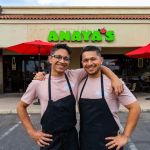 Anaya's Fresh Mexican Restaurant4.0 (422 reviews)
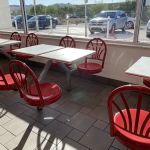 In-N-Out Burger4.0 (3364 reviews)
 Filiberto's Mexican Food4.0 (1002 reviews)
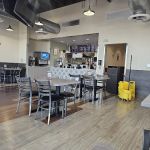 Federico's Mexican Food4.0 (310 reviews)
 Restaurant Outside Cake Policy: Confirm Before Celebrating
 Where to Find the Best Vegan Restaurants in New York City
 How to Find the Best Thai Food Restaurants in Your Area | Restaurants Explorer
 Why You Should Visit the Best Food Halls in Your City
 Where to Find the Best Vegan Breakfast in Portland
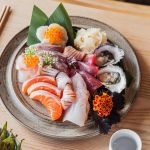 How to Find the Best Japanese Restaurants in Your City | Top Tips for Finding Authentic Sushi & More