
- -Restaurant-Dining-Etiquette-Why-It-Still-Matters-Today
- -Preparing-Before-You-Arrive-at-a-Restaurant
- -First-Impressions-Entering-and-Seating-Etiquette
- -Understanding-Table-Settings-and-Utensils
- -Ordering-Food-the-Polite-and-Smart-Way
- -Essential-Table-Manners-During-the-Meal
- -Handling-Common-Dining-Situations-Gracefully
- -Paying-the-Bill-and-Leaving-a-Good-Impression
Restaurant Dining Etiquette: Why It Still Matters Today
Dining out has become more than just a way to eat—it’s a social experience. Whether you’re meeting friends for brunch, celebrating a birthday, or having a business dinner, knowing proper restaurant dining etiquette helps create a pleasant atmosphere for everyone involved.
In the United States, restaurant culture blends casual comfort with certain unwritten rules. While most restaurants don’t require strict formal behavior, small gestures—like being courteous to staff or using utensils correctly—can make a big difference.
A well-known example happened in 2023 when a viral video showed a diner loudly complaining about waitstaff during a busy evening service. The clip sparked debate across social media about how customers should treat restaurant employees. Many industry professionals pointed out that good restaurant manners are not about formality—they’re about respect.
For food lovers exploring new dining spots, learning proper dining etiquette also enhances the overall experience. Platforms like Restaurants Explorer often highlight restaurants with unique dining styles, from casual brunch cafés to upscale tasting menus. Understanding the expected etiquette helps diners feel confident wherever they go.

1. Preparing Before You Arrive at a Restaurant
1.1 Make Reservations When Appropriate
One of the simplest yet most overlooked dining etiquette tips is making a reservation when dining at busy or popular restaurants. Many American restaurants appreciate advance notice because it helps them manage seating and service more efficiently.
For example, popular restaurants featured on Restaurants Explorer often fill up quickly on weekends. A reservation not only guarantees a table but also shows respect for the restaurant’s time and planning.

1.2 Arrive on Time
Punctuality is part of good restaurant manners. Arriving excessively late for a reservation can disrupt seating schedules and inconvenience both the restaurant staff and your dining companions.
If you expect to be delayed, calling ahead is a thoughtful gesture that restaurants genuinely appreciate.
1.3 Dress Appropriately for the Venue
Not every restaurant has a strict dress code, but dressing appropriately shows respect for the establishment and other diners. Casual restaurants welcome relaxed outfits, while fine dining locations often expect smart casual or formal attire.
2. First Impressions: Entering and Seating Etiquette
2.1 Wait to Be Seated
Unless a restaurant clearly states “seat yourself,” it’s polite to wait for a host or server to guide you to your table. Walking in and choosing a random table may interfere with the restaurant’s service flow.
2.2 Acknowledge the Staff
A simple smile or greeting when meeting the host or server sets a positive tone. Many experienced diners say that kindness toward staff often leads to better service and a more enjoyable dining experience.
2.3 Keep Personal Items Organized
Large bags, coats, or backpacks should not clutter the table or walkway. Place them on the back of your chair or use provided coat hooks if available.
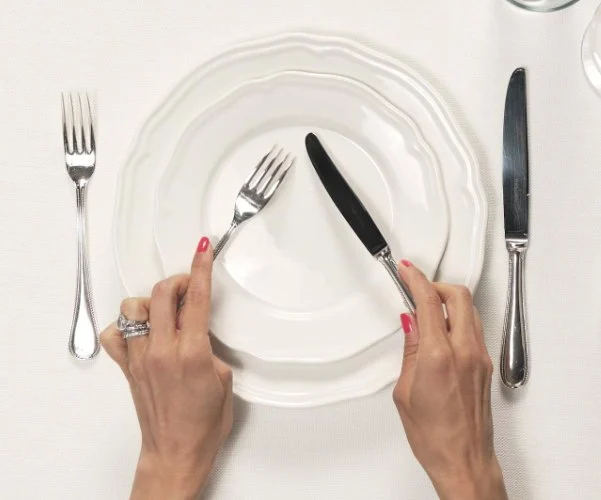
3. Understanding Table Settings and Utensils
3.1 Follow the “Outside In” Rule
A common rule in formal dining etiquette is to use utensils starting from the outside and working inward with each course. This simple guideline helps diners navigate complex table settings without confusion.
3.2 Napkin Placement
Once seated, place the napkin on your lap. If you leave the table temporarily, fold it loosely and place it on your chair rather than the table.
3.3 Bread Plate Awareness
In formal settings, your bread plate is typically on the left side. Accidentally using someone else’s plate is a common dining mistake, especially in large group dinners.
4. Ordering Food the Polite and Smart Way
4.1 Be Ready to Order
Servers often manage multiple tables simultaneously. Being prepared when they arrive to take your order shows consideration for their time and the restaurant’s workflow.
4.2 Ask Questions Respectfully
If you have dietary restrictions or questions about ingredients, feel free to ask. However, avoid overwhelming the server with excessive modifications unless necessary.
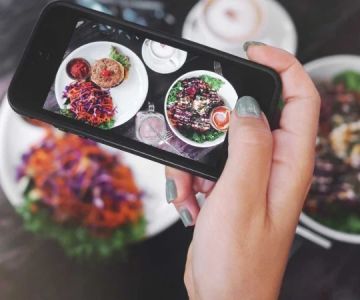
4.3 Avoid Phone Distractions
Constantly checking your phone during ordering or conversation can come across as rude. Dining out is meant to be a shared experience.
5. Essential Table Manners During the Meal
5.1 Chew Quietly and Speak Politely
One of the most basic restaurant etiquette rules is simple: chew with your mouth closed. Speaking while chewing or making loud eating noises can make others uncomfortable.
5.2 Keep Elbows Off the Table
While casual restaurants may overlook this rule, keeping elbows off the table during the meal is still considered polite in many dining environments.
5.3 Taste Before Seasoning
Professional chefs often view adding salt or pepper before tasting as disrespectful. Tasting the dish first shows appreciation for the chef’s preparation.
5.4 Respect Shared Dishes
When sharing appetizers or family-style meals, use serving utensils rather than your personal fork or spoon.
6. Handling Common Dining Situations Gracefully
6.1 What to Do If Something Goes Wrong
Mistakes happen—even in excellent restaurants. If your order is incorrect or something isn’t prepared properly, politely inform the server rather than raising your voice.
Restaurant professionals often mention that respectful communication usually results in quick solutions and sometimes even complimentary items.
6.2 Dining with Large Groups
Group dinners can be lively, but they also require coordination. Avoid dominating conversations, and give everyone time to speak.
Splitting the bill ahead of time can also prevent awkward moments when the check arrives.
6.3 Respecting Restaurant Staff
One of the most important restaurant behavior tips is treating staff with respect. Servers often work long shifts, and small acts of kindness—like saying “thank you”—go a long way.
7. Paying the Bill and Leaving a Good Impression
7.1 Understanding Tipping Culture
In the United States, tipping is a standard part of restaurant culture. A typical tip ranges from 15% to 20% of the total bill, depending on service quality.
7.2 Avoid Lingering Too Long During Busy Hours
Staying long after finishing your meal—especially during peak dining hours—can prevent restaurants from seating other guests. Being mindful of this helps restaurants operate smoothly.
7.3 Leave the Table Tidy
While no one expects diners to clean the table themselves, leaving excessive mess behind is considered poor dining etiquette.
Great restaurant experiences are about more than delicious food—they’re about atmosphere, respect, and shared enjoyment. By practicing thoughtful dining etiquette, food lovers can make every restaurant visit more enjoyable for themselves, their companions, and the hardworking staff who make the experience possible.
If you enjoy discovering new dining spots, Restaurants Explorer is a helpful place to explore trending restaurants, unique food experiences, and dining recommendations tailored to different tastes and occasions.


 Wings and waffles3.0 (129 reviews)
 Revolución Tacos + Cantina4.0 (32 reviews)
 TenderFix by Noah Schnapp0.0 (0 reviews)
 Burger King3.0 (815 reviews)
 Vincent Market Bistro4.0 (196 reviews)
 Menudo Sabor de Casa5.0 (5 reviews)
 Exploring the Best Sushi Restaurants in San Francisco: Where to Find the Top Spots
 How to Find the Best Japanese Restaurants in Your City | Top Tips for Finding Authentic Sushi & More
 Why Chef-Driven Restaurants Are Becoming So Popular
 How to Find the Best Vegan Restaurants for an All-Plant-Based Meal
 How to Find the Best Thai Food Restaurants in Your Area | Restaurants Explorer
 The Best Farm-to-Table Restaurants in Los Angeles for a Fresh Experience