
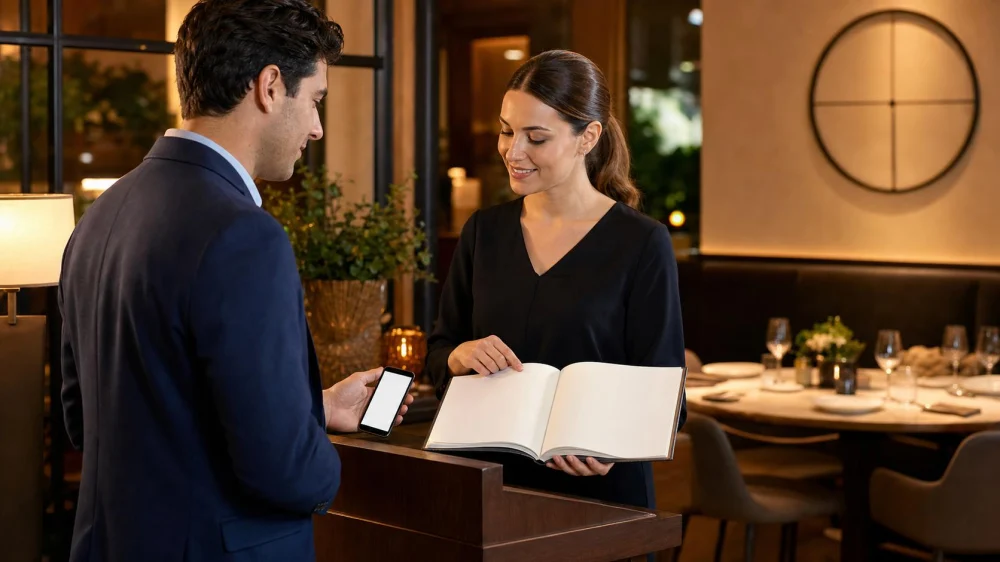
Restaurant Reservation Etiquette That Prevents Problems
On this page
Quick answer
Prevent reservation problems by reading deposit, cancellation, no-show, late-arrival, party-size, seating-duration, and special-request terms before booking. Use accurate contact details, update the restaurant as soon as plans change, and arrive with the complete party at the requested time. Treat preferences as requests, not guarantees, and keep written confirmation for prepaid meals or important arrangements.
A restaurant reservation is an agreement to hold dining capacity under stated conditions; it is not always a promise of a specific table at the exact minute requested.

What a reservation means
Restaurants plan tables, staffing, food, and pacing around expected guests. Some reservations are free and flexible; others use a card guarantee, deposit, prepaid menu, minimum spend, cancellation window, or fixed seating time. Read the exact terms before confirming.
Check whether the booking is through the restaurant or a third-party platform and which party handles changes and refunds. Save the confirmation email, text, or screenshot with date, time, party size, location, and policy.

Check terms before booking
- Correct branch, date, time zone where relevant, and party size
- Indoor, outdoor, bar, counter, communal, or standard table category
- Deposit, prepayment, cancellation deadline, and no-show charge
- Grace period and what happens after late arrival
- Seating duration, kitchen closing time, and last order
- Automatic gratuity, service charge, minimum spend, or room fee
- Age, dress, cake, decoration, photography, and outside-food rules
- Accessibility, allergy, service-animal, and communication arrangements
Do not enter a fake party size to unlock availability. A two-person table may not safely or legally accommodate four, and unannounced additions can disrupt neighboring reservations.
Handle changes early
- Use the official change link or call the restaurant as soon as headcount or timing changes.
- Do not assume an unanswered voicemail changed a prepaid booking; seek confirmation.
- Ask how a smaller party affects deposits, set menus, minimum spend, or table type.
- Ask whether additional guests can be seated before inviting them.
- Cancel promptly when the meal will not happen, even if the refund deadline passed.
- Keep the cancellation confirmation and case number.
Releasing a table early gives the restaurant a chance to offer it to another diner. It also creates a clearer record if a charge is later disputed.
Arrive and check in well
Plan to reach the area early enough for parking, transit, security, elevators, and finding the entrance, but check in according to the restaurant's instructions. Give the reservation name and complete-party status honestly. If one guest is delayed, ask what options exist rather than demanding the table be held beyond policy.
A table may need final preparation even when you arrive on time. Ask for an update courteously. If the delay threatens an event or access need, explain the practical consequence and request available alternatives.
Respect the table timeline
A stated seating duration helps the restaurant plan the next reservation. Order within a reasonable time, inform the server if you have a deadline, and avoid occupying a completed table far beyond the agreed window during busy service. That does not mean accepting rushed or unsafe service; raise pacing concerns early.
For celebrations, speeches, gifts, photography, or cake, ask when they fit the service flow. Settle payment with enough time for separate-check or card-limit rules.
Make special requests clearly
- Allergy: name the exact allergen and ask about ingredients and cross-contact.
- Accessibility: describe the required route, table space, seating, restroom, or communication outcome.
- Quiet table: explain the hearing, sensory, or conversation need rather than saying “best table.”
- Celebration: state what you plan to bring or request and ask about fees.
- View or patio: understand that weather, operations, and table sequence may prevent a guarantee.
Record critical arrangements and reconfirm shortly before the meal. Preferences such as a window or particular booth should remain secondary to safety and access requirements.
What to do when plans fail
- Stay factual: show the confirmation and identify the mismatch.
- Ask what the restaurant can offer now—another table, revised time, waiting estimate, or cancellation.
- Request a manager when a deposit, safety, accessibility, or major policy issue cannot be resolved.
- Keep receipts and written communication.
- Afterward, contact the restaurant's official customer-service channel with the booking details and desired resolution.
Do not threaten staff, block operations, or publish private employee information. A concise record usually supports a resolution better than an argument at a crowded host stand.
Important limitations
This article is general dining guidance, not legal advice. Contract, refund, disability, consumer-protection, and service-charge rules vary by location and facts. Review current terms and seek appropriate professional or government guidance for a legal dispute.
Restaurants should communicate material restrictions clearly, and diners should not use “etiquette” to excuse discrimination, unsafe allergy handling, undisclosed charges, or failure to provide required access.
Frequently asked questions
How late can I arrive?
There is no universal grace period. Check the booking terms and call before the reservation time if delayed.
Can a restaurant charge for a no-show?
Policies and law vary. Review the disclosed card guarantee, deposit, or prepaid terms before booking and keep confirmation.
Does a reservation guarantee immediate seating?
Not always. It generally reserves planned capacity, but service delays occur. Ask the restaurant how it handles timing.
Can I add one person at the door?
Only if the restaurant confirms it can safely and operationally accommodate the change. Ask before the guest travels.
Should I tip on a service charge?
Ask what the charge is and whether gratuity is included. Wording and distribution vary; review the bill before adding another amount.
Evidence notes
The recommendations apply common reservation and consumer principles: read disclosed terms, provide accurate information, document payment and changes, distinguish requests from guarantees, and communicate problems promptly. The restaurant's current written policy and applicable local law control a specific booking.
Conclusion and next steps
Before confirming your next table through Restaurants Explorer or a restaurant's booking channel, pause at the final screen and review the eight terms in this guide. Add a calendar reminder for the cancellation deadline and share the arrival plan with guests. Good reservation etiquette is mutual clarity: the restaurant can plan its service, and diners know exactly what to expect.





 King Salmon Midtown4.0 (408 reviews)
 Native Grill & Wings4.0 (1240 reviews)
 Frank & Lupe's Old Mexico4.0 (1722 reviews)
 Subway4.0 (136 reviews)
 Natural Healing & Atonement wellness Center4.0 (153 reviews)
 Gyros4.0 (64 reviews)
 A Foodie’s Guide to the Best Brunch Spots in San Francisco
 Top Breakfast Restaurants in America for a Perfect Morning Meal
 Tasting Menu or À La Carte? How to Choose
 Don’t Miss These Local Favorite Spots in Chicago for Food & Culture
 Top Healthy Restaurants in the US for Clean and Balanced Eating
 The Best Romantic Dinners in San Francisco for an Unforgettable Night | Top Dining Spots