
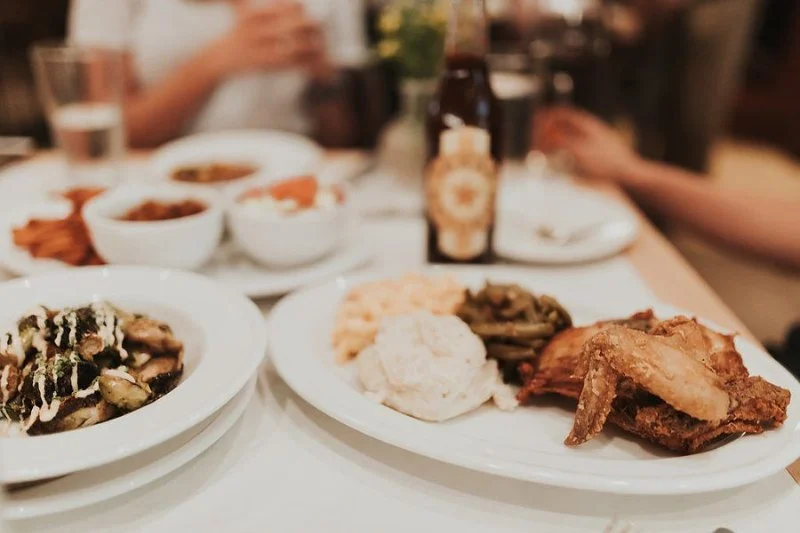
Why Dining in the United States Has Become an Experience, Not Just a Meal
- unique-dining-experiences-united-states - exploring meals that go beyond traditional restaurant settings
- unusual-restaurants-usa - discovering creative and unexpected food environments
- immersive-dining-experiences-america - understanding storytelling through food and design
- themed-restaurants-us - how atmosphere transforms dining expectations
- fine-dining-experiences-usa - elevated culinary craftsmanship and presentation
- food-tourism-america - traveling through food culture across states
- interactive-dining-restaurants - engaging directly with chefs and cooking processes
The Rise of Unique Dining Experiences in the United States
Over the past decade, dining in the United States has evolved far beyond simple eating out. Restaurants are no longer just places to grab a meal—they have become destinations, performances, and cultural experiences. The demand for unique dining experiences United States travelers seek today is driven by a desire for something memorable, immersive, and emotionally engaging.
People are no longer satisfied with just good food. They want storytelling, atmosphere, interaction, and creativity. This shift has transformed how chefs, designers, and restaurateurs think about food service.

How Modern Diners Changed Restaurant Expectations
Today’s diners expect more than taste. They expect atmosphere, narrative, and personalization. A simple dinner can now include theatrical lighting, curated soundscapes, or even chef interactions that explain the story behind each dish.
A traveler in New York once described a dining experience where each course represented a different season. The meal was not just eaten—it was experienced like a story unfolding over time.

Immersive Dining Experiences That Redefine Food Culture
Immersive dining experiences America offers are among the most creative in the world. These restaurants blend food with performance art, technology, and storytelling. Guests are often part of the experience rather than passive observers.
For example, some restaurants use projection mapping to transform dining rooms into forests, oceans, or historical settings, allowing diners to feel fully transported while enjoying their meals.
Why Immersion Changes the Way We Taste Food
Psychological studies suggest that environment significantly influences how we perceive flavor. When food is served in a themed or immersive setting, it enhances emotional engagement, which can make dishes feel more flavorful and memorable.
A well-known immersive restaurant in Los Angeles created a dining experience inside a simulated space station, where gravity-defying visuals and ambient sound effects made even simple dishes feel futuristic.
Themed Restaurants That Turn Meals Into Storytelling
Themed restaurants US diners enjoy often focus on storytelling through design, costumes, and interactive elements. These restaurants are especially popular in cities like Las Vegas, Orlando, and Chicago, where entertainment culture blends naturally with dining.
From medieval castles to retro 1980s diners, themed restaurants offer a break from traditional dining expectations and create memorable social experiences.
Why Themed Dining Appeals to Modern Audiences
In an era dominated by digital screens, people crave physical, real-world experiences. Themed dining provides a sense of escape and nostalgia, allowing guests to disconnect from everyday life and step into a different world.
A family visiting Orlando once shared how a pirate-themed restaurant became the highlight of their vacation—not because of the food alone, but because of the interactive storytelling throughout the meal.
Fine Dining Experiences That Focus on Culinary Art
Fine dining experiences USA establishments are known for precision, creativity, and presentation. These restaurants elevate food into art forms, where every plate is carefully designed and every ingredient has purpose.
Unlike casual dining, fine dining often involves multi-course tasting menus that guide guests through a carefully curated culinary journey.
How Chefs Use Technique to Create Emotional Impact
Top chefs in fine dining restaurants focus not just on taste but also on emotion. They design dishes that evoke memory, curiosity, and surprise through texture, aroma, and visual presentation.
A Michelin-starred chef in San Francisco once explained that his goal was not just to feed guests but to create “moments of reflection through food.”
Unusual Restaurants That Challenge Traditional Dining Norms
Unusual restaurants USA diners encounter often break conventional rules. Some are located in unconventional spaces such as caves, rooftops, underwater domes, or even moving trains.
These environments challenge the idea that restaurants must follow a fixed structure, instead turning dining into exploration.
Why Location Matters as Much as the Menu
In unusual dining spaces, location becomes part of the flavor experience. A meal served inside a glass igloo in Alaska, for example, creates a completely different emotional response than the same meal served in a standard dining room.
A viral travel story once featured diners eating inside a suspended glass bridge restaurant, where the thrill of height added excitement to every bite.
Interactive Dining Restaurants That Engage All Senses
Interactive dining restaurants are gaining popularity across major U.S. cities. These experiences allow diners to participate in cooking, plating, or even selecting ingredients during their meal.
Some restaurants feature open kitchens where guests can watch chefs prepare dishes in real time, while others invite diners to customize courses as they are served.
Why Participation Enhances Memory and Satisfaction
Studies in food psychology suggest that people remember meals more vividly when they are involved in the preparation process. This sense of participation increases emotional connection and overall satisfaction.
A couple in Chicago shared that participating in a chef-led pasta-making experience made their dinner feel more personal and meaningful than any traditional restaurant visit.
Food Tourism Across America and Regional Identity
Food tourism America is becoming a major travel trend. Instead of visiting cities only for landmarks, many travelers now plan trips around iconic dining experiences and regional specialties.
Each region in the United States offers unique culinary traditions—from Southern barbecue to New England seafood and Southwestern fusion cuisine.
Why Regional Food Experiences Define Travel Memories
Food is one of the strongest cultural identifiers. Experiencing local cuisine allows travelers to understand history, geography, and community identity in a deeply personal way.
A traveler visiting New Orleans once described beignets and Creole dishes as the “most authentic entry point into the city’s soul.”
Real-Life Story: A Cross-Country Culinary Journey
A food blogger documented a road trip across the United States focusing entirely on unique dining experiences United States offers. From lobster shacks in Maine to sushi bars in California, each stop revealed a different cultural layer.
What stood out most was not just the food, but the people behind it—chefs who shared personal stories, family traditions, and regional pride through their dishes.
How Travel and Food Become Interconnected
This journey demonstrated that food is often the most memorable part of travel. It creates emotional anchors that define how we remember places long after the trip ends.
Why Technology Is Transforming Dining Experiences
Technology is playing an increasing role in modern restaurants. From digital menus to augmented reality dining, restaurants are finding new ways to enhance immersion and efficiency.
Some high-end restaurants now use projection mapping to transform tables into interactive storytelling surfaces, changing themes between courses.
How Innovation Enhances Creativity in Food Service
Technology allows chefs to push creative boundaries without being limited by traditional presentation formats. It also enables more personalized dining experiences tailored to individual preferences.
A futuristic dining concept in Las Vegas allows guests to control lighting and ambiance based on the flavor profile of each course.
Where to Discover More Unique Dining Experiences
For those looking to explore unique dining experiences United States offers, curated platforms like Restaurants Explorer provide insights into immersive restaurants, themed dining, and fine culinary destinations.
These resources help diners discover experiences they might otherwise overlook and plan more meaningful culinary adventures.
Why Curated Dining Guides Matter Today
With so many restaurants available, curated recommendations help filter meaningful experiences from ordinary ones, ensuring diners spend their time and money on truly memorable meals.
This makes food exploration not just easier, but more rewarding.
Final Perspective on Dining as an Experience
Dining in the United States has evolved into something far greater than eating out. It is now about storytelling, emotion, creativity, and connection. Whether through immersive environments, themed restaurants, or interactive cooking, every meal has the potential to become a lasting memory.
As food culture continues to evolve, the line between dining and entertainment will keep blurring, offering even more exciting opportunities for exploration and discovery.



 Number 1 buffet3.0 (1736 reviews)
 Taco Bell3.0 (1148 reviews)
 Jimmy John's3.0 (162 reviews)
 Las Islitas De San Blas4.0 (342 reviews)
 Jack in the Box3.0 (1471 reviews)
 The Mix by Chic Chef5.0 (6 reviews)
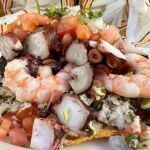 The Most Popular Seafood Restaurants in Los Angeles Right Now
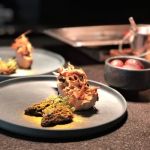 20 Restaurant Dining Ideas for First-Time Food Travelers
 Unique Dining Concepts That Are Trending in the US
 25 Amazing Street Food-Inspired Restaurant Dishes in the United States
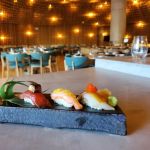 Top 10 Best Sushi Restaurants in Miami That Will Blow Your Mind
 Top 5 Best Restaurants in Austin for a Perfect Dinner Date