
Highly Rated Mediterranean Restaurants in the US and What Makes Them Stand Out
- mediterranean-flavor-foundation - understanding olive oil, herbs, grains, and fresh seafood traditions
- regional-dining-styles - Greek, Turkish, Lebanese, and broader Middle Eastern influences
- signature-dishes-guide - gyros, hummus, grilled meats, mezze platters, and seafood specialties
- restaurant-selection-insights - how ratings, authenticity, and sourcing affect quality
- real-dining-experiences - stories from diners exploring Mediterranean cuisine across US cities
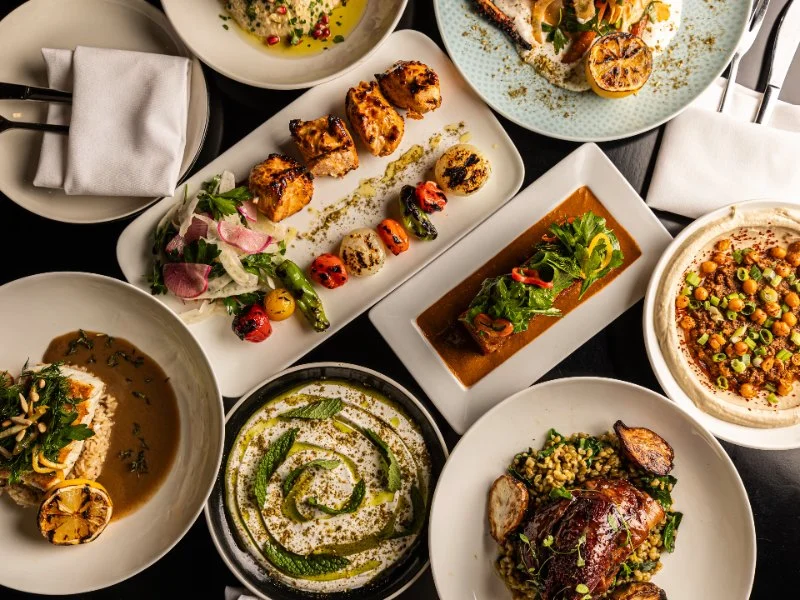
The rise of Highly Rated Mediterranean Restaurants in the US is not just a food trend—it reflects a deeper shift in how Americans eat and think about health, freshness, and cultural authenticity. Mediterranean cuisine, rooted in centuries-old traditions from Greece, Turkey, Lebanon, and surrounding regions, has found a strong and lasting home across American cities.
What makes this cuisine so appealing is its balance: bold flavors without heaviness, rich spices without overwhelming heat, and meals that feel both comforting and nourishing. Whether you're exploring a coastal Greek tavern in Chicago or a modern Lebanese kitchen in Los Angeles, the experience often feels like a culinary journey rather than just a meal.

The Core Identity Behind Mediterranean Cuisine in the US
Fresh Ingredients as the Foundation of Flavor
At the heart of Mediterranean cuisine is simplicity built on quality. Olive oil replaces heavy fats, fresh vegetables replace processed fillers, and herbs like oregano, parsley, and mint define flavor instead of artificial seasoning.
This emphasis on freshness is one reason Mediterranean restaurants consistently receive high ratings across the United States. Diners often describe feeling “lighter” after eating, which aligns with the traditional Mediterranean lifestyle known for long-term health benefits.

El Gran Taquito Mexican Grill
5130 W Baseline Rd #109, Laveen Village, AZ 85339, USA
Balance Between Taste and Wellness
Unlike many modern fast-casual trends, Mediterranean dining does not sacrifice flavor for health. Instead, it merges both. Grilled lamb, hummus, falafel, and fresh seafood dishes offer a satisfying richness while still supporting a balanced diet.
This harmony is a key reason why food critics frequently highlight Mediterranean cuisine as one of the most sustainable eating patterns available in modern dining culture.
Exploring Regional Influences in Highly Rated Mediterranean Restaurants
Greek Dining Experience
Greek-inspired restaurants in the US often focus on grilled meats, fresh salads, and simple but powerful flavors. Dishes like souvlaki and spanakopita are common highlights, often paired with tangy tzatziki sauce.
In cities like New York and Boston, Greek restaurants have built strong reputations for authenticity, often run by families preserving traditional recipes passed down for generations.
Turkish Culinary Craft
Turkish cuisine introduces a deeper spice profile and a wide variety of grilled and baked dishes. From kebabs to pide (Turkish flatbread), these restaurants often deliver a warm, communal dining experience.
Many diners are surprised by the complexity of Turkish desserts like baklava, which balance sweetness with layers of texture and nutty richness.
Lebanese and Middle Eastern Influence
Lebanese restaurants are often considered some of the most refined within the Mediterranean category. Dishes like tabbouleh, baba ghanoush, and shawarma highlight fresh herbs, smoky flavors, and careful seasoning techniques.
Across cities like Los Angeles and Houston, Lebanese restaurants frequently rank among the highly rated Mediterranean restaurants due to their consistency and emphasis on hospitality.
What Makes a Mediterranean Restaurant Highly Rated in the US
Authenticity vs Modern Adaptation
One of the biggest debates in the food world is how much a restaurant should adapt traditional recipes for American tastes. The best-reviewed establishments strike a balance—keeping authentic techniques while slightly adjusting presentation or spice levels.
For example, a restaurant in Chicago gained attention for serving traditional lamb tagine but plating it in a modern, minimalist style. Diners appreciated both the authenticity and the visual refinement.
Ingredient Sourcing and Quality Control
Top-rated Mediterranean restaurants often emphasize imported olive oils, freshly baked pita, and locally sourced produce. This combination ensures both authenticity and sustainability.
Restaurants that fail to maintain ingredient quality often struggle to retain high ratings, regardless of their menu diversity.
Real Dining Stories from Across the United States
A Family Dinner in Los Angeles
A group of friends visiting a Lebanese restaurant in LA shared how their meal became an unexpected cultural experience. What began as a casual dinner turned into an introduction to shared mezze dining, where dishes are placed in the center and enjoyed communally.
They described how this style of eating changed their perception of restaurant dining—it became more social, slower, and more meaningful.
A Food Blogger’s Discovery in Chicago
A well-known food blogger documented a hidden Greek restaurant tucked away in Chicago’s suburban area. Despite its modest appearance, the restaurant served some of the most authentic grilled octopus and homemade baklava she had ever tried.
This story quickly circulated online, boosting interest in lesser-known Mediterranean spots across the Midwest.
Why Mediterranean Cuisine Continues to Grow in Popularity
Health-Conscious Dining Trends
As Americans become more health-conscious, Mediterranean food naturally fits into their lifestyle. The emphasis on vegetables, lean proteins, and healthy fats aligns with modern dietary preferences.
Cultural Curiosity and Global Exposure
Social media has played a major role in spreading awareness of Mediterranean dishes. Videos showcasing fresh hummus, sizzling kebabs, and vibrant mezze platters have made the cuisine more accessible and desirable.
This exposure has helped many restaurants gain recognition as part of the Highly Rated Mediterranean Restaurants in the US movement.
How to Find the Best Mediterranean Dining Experiences
Reading Beyond Star Ratings
While online reviews are helpful, the most reliable indicators often include consistency, ingredient transparency, and cultural authenticity. Restaurants that share their sourcing practices tend to earn stronger trust from diners.
Exploring Local Recommendations
Food communities and local guides often highlight hidden gems that mainstream platforms overlook. Exploring these recommendations can lead to surprisingly authentic experiences.
Platforms like Restaurants Explorer help diners discover curated Mediterranean restaurant options tailored to different cities, preferences, and dining styles.
Final Reflections on Mediterranean Dining Culture in America
Mediterranean cuisine in the US continues to evolve while staying rooted in tradition. From casual neighborhood eateries to upscale dining establishments, the focus remains on freshness, balance, and shared enjoyment.
What makes these restaurants stand out is not just the food itself, but the experience they create—slow meals, meaningful conversations, and flavors that feel both familiar and new at the same time.
As more diners explore this cuisine, the landscape of Mediterranean dining will continue expanding, offering even more opportunities to discover new favorites across the country.





 ATL Wings4.0 (540 reviews)
 Pedal Haus Brewery4.0 (1866 reviews)
 Jay Hind Indian Cuisine4.0 (882 reviews)
 Niro's Gyros4.0 (956 reviews)
 McDonald's3.0 (1696 reviews)
 First Watch4.0 (355 reviews)
 The Best Vegan Sushi Spots Near Me: A Plant-Based Delight
 The Best Places for Craft Beer and Food Pairings in Portland
 How to Enjoy a Michelin-Starred Meal Without Breaking the Bank
 5 Things Every Steakhouse Should Do to Make Your Dining Experience Amazing
 The Best Restaurant Delivery Services for Gourmet Food at Home
 25 Restaurant Desserts That Are Perfect for Sharing