
Restaurant Noise Level Guide: Choose a Table for Conversation
On this page
Quick answer
A restaurant noise level is shaped by the room, crowd, music, kitchen, and time of day. For easier conversation, call before booking, describe your needs, ask about quieter rooms or edge tables, and choose an earlier off-peak time. On arrival, listen before accepting the table and politely request another location if needed.
This guide is for diners in the United States planning a conversation-focused meal, including dates, family gatherings, interviews, and meals with guests who have hearing or sensory needs.

Why restaurant noise varies
Restaurant noise level means the combined sound a guest experiences from voices, music, dishes, equipment, traffic, and the room itself. A restaurant can feel calm at 5 p.m. and very loud at 8 p.m., so a single review or past visit does not describe every service period.
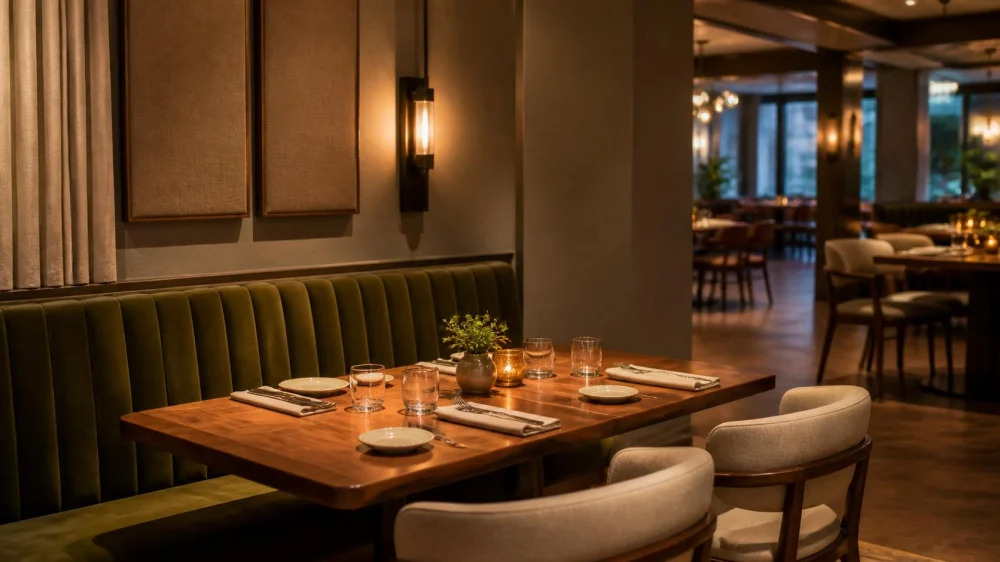
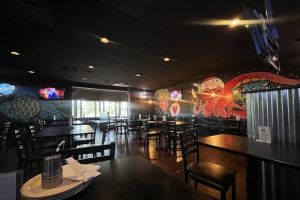
Hard floors, exposed ceilings, large windows, and closely spaced tables can reflect sound. Upholstery, curtains, acoustic panels, partitions, and greater table spacing may absorb or interrupt it. Open kitchens add energy but can also add ventilation, cookware, and staff sound. Bars, speakers, entrance doors, and server stations create local noise even when the rest of the dining room is comfortable.
The guest mix matters too. A full room with celebrations or large groups usually sounds different from a lightly occupied lunch service. Weather can change patio use and force guests indoors. Special events, live music, and sports broadcasts can change the experience without appearing on a standard menu page.
Questions to ask before booking
Call the restaurant during a less busy hour so staff can answer thoughtfully. Avoid asking only, “Is it quiet?” because quiet is subjective. Give context and ask questions that lead to specific options:
- Which dining area is usually best for conversation?
- Is there live music, a DJ, a televised event, or a private party that evening?
- When is the room typically least busy?
- Can the reservation note request a table away from speakers, the bar, kitchen, and server stations?
- Does the restaurant have a separate room, booth, patio, or high-backed seating?
- Can the restaurant accommodate a guest who is hard of hearing or sensitive to sound?
A request is not always a guarantee. Record the staff member's suggestion and confirm the note when you arrive. If conversation quality is essential, have a second restaurant or time in mind.
Choose a quieter table
Table location often matters as much as the restaurant's overall style. A corner or perimeter table can reduce sound arriving from multiple directions. A booth with a high back may provide separation, while a table in the middle of a busy room receives sound from every side.
Avoid sitting directly under a speaker or beside a bar blender, open-kitchen pass, dish station, restroom queue, host stand, or frequently opened exterior door. Tables near a large party can become louder as the group fills. Patio seating may be calmer, but traffic, aircraft, weather, heaters, and street activity can reverse that advantage.
Think about sight lines as well. Guests understand speech more easily when they can see one another's faces. A round table or a compact rectangular table may work better than a long table for group conversation. Good, even lighting can help guests who rely partly on lip movements and facial expression.
Arrival checklist
- Arrive a little early. This gives the host more flexibility before the dining room fills.
- Confirm the reservation note. Restate the reason for the quieter-table request briefly and politely.
- Pause at the proposed table. Listen for nearby speakers, equipment, and large groups before sitting.
- Check the seating arrangement. Place the guest with the greatest hearing need where faces and the server are easiest to see.
- Request a move promptly. It is easier to change tables before drinks or food arrive.
- Keep the table clear. Ask for unused settings to be removed so guests can sit closer without crowding.
- Adapt if the room changes. If music rises or a party arrives, ask whether another section is available.
Accessibility and group needs
When a guest has a hearing disability, tinnitus, migraine trigger, autism-related sensory need, or another access concern, say what practical adjustment would help. Examples include lower-background-noise seating, face-to-face positioning, written specials, extra time to order, or moving away from a speaker. Clear, specific requests are easier for staff to act on than a general request for “special seating.”
For groups, ask whether a private or semi-private space has a minimum spend, fixed menu, deposit, time limit, or service charge. A separate room can improve conversation but may introduce contractual costs. Review the written terms before committing.
Important limitations
Noise is dynamic and personal. Staff cannot predict every party, equipment sound, or street condition, and they may not be able to change music volume or relocate a full table. Phone sound-meter apps are not calibrated professional instruments; they may help compare locations but should not be treated as an authoritative exposure measurement.
This article offers planning guidance, not medical or legal advice. A person with a health condition should follow advice from their clinician and bring any personal hearing protection or communication tools they normally use. Do not block aisles, exits, or server paths while rearranging seats.
Frequently asked questions
What is the quietest time to visit a restaurant?
Often it is shortly after opening or between common meal peaks, but the pattern varies by restaurant and day. Ask staff about the specific date because events and reservations can change the answer.
Are booths always quieter than tables?
No. A high-backed booth can reduce nearby sound, but a booth beside a speaker, bar, or kitchen may be louder than a well-placed table.
Can I ask the restaurant to lower the music?
You can ask, but the restaurant may have a fixed setting or needs shared by the whole room. A table move or different dining area is often the more practical request.
Should I rely on online reviews about noise?
Use them as clues, not guarantees. Look for recent reviews that mention the same day, time, room, or event type you plan to visit, then confirm directly.
Evidence note
The recommendations reflect common hospitality planning and accessibility practices: identify the sound sources, match seating to the diner's needs, make specific requests, and confirm conditions at the time of service. Room acoustics and service conditions vary, so direct confirmation with the restaurant is the most useful evidence for a particular visit.
Next steps
Choose two restaurants, call each with the same questions, and compare their time and seating options. Add the quiet-table request to the reservation, arrive early, and assess the proposed table before settling in. A few minutes of planning can make a conversation-centered meal much easier for everyone.



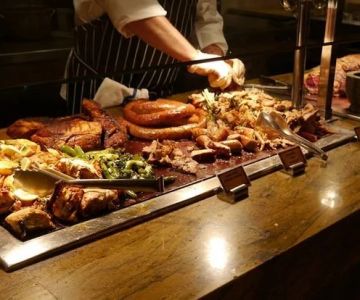
 Postino Central4.0 (2737 reviews)
 Blue Fin4.0 (803 reviews)
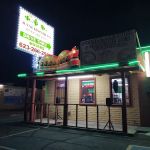 Rancho Nuevo Mexican Grill4.0 (97 reviews)
 Phoenix Market Deli4.0 (3 reviews)
 Earth Plant Based Cuisine4.0 (771 reviews)
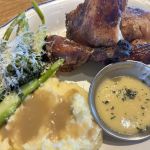 Doughbird4.0 (2525 reviews)
 Where to Find the Best Asian Fusion Restaurants in Los Angeles | Restaurants Explorer
 Where to Find the Best Sushi in Seattle: A Guide to Top Sushi Spots
 Why You Should Try the Best French Cuisine Restaurants in San Francisco
 Where to Find the Best Tapas Restaurants in New York City
 Why You Should Try the Best Poke Bowls in Your City: A Flavorful Experience
 The Best Sushi Restaurants in Austin for a Fresh Dining Experience