
Restaurant Bar Seating: Space, Menu, and Service Guide
On this page
Quick answer
Restaurant bar seating can be convenient for solo dining, walk-ins, or a casual meal, but the experience varies. Confirm whether the full menu is served, whether seats are reserved or first come, and whether minors may sit there. On arrival, compare stool comfort, counter space, traffic, noise, and access before ordering.
This guide is for diners in the United States who are deciding whether a restaurant's bar counter, bar table, or lounge seating fits their meal. It does not replace a restaurant's house rules or state and local alcohol regulations.

What bar seating means
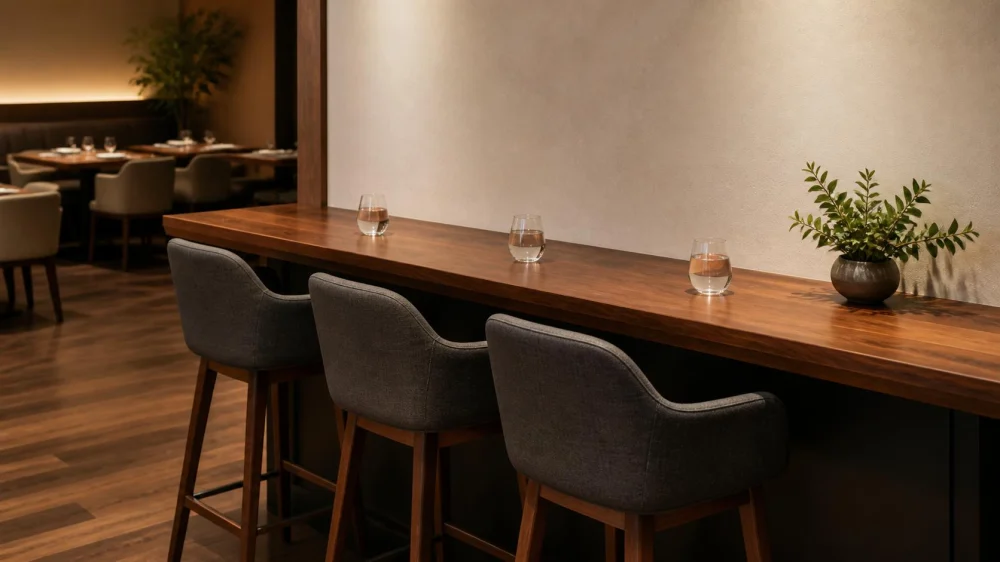
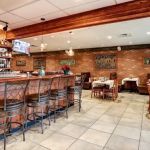
Restaurant bar seating describes seats at or near a beverage-service counter, but the label can cover several layouts. Counter stools place guests directly at the bar. High-top tables sit nearby and may have standard table service. A lounge may use lower chairs and small tables. A chef's counter can look similar while operating as a separate dining experience.
The seating type affects comfort, menu access, service, and how long guests usually stay. Counter seats can make ordering direct and offer a view of drink preparation, but they may have less personal space. High-tops may suit two or four diners, yet tall stools can be difficult for some guests. Lounge furniture is comfortable for drinks but may be awkward for a full meal with multiple plates.

Los Cerritos Mexican Food
4730 E Indian School Rd #117, Phoenix, AZ 85018, USA
What to check before you go
Review the restaurant's reservation page, then call if the wording is unclear. Ask specific questions instead of assuming every seat works the same way:
- Is bar seating first come, reservable, or assigned by the host?
- Is the full dining-room menu available, or only a bar or late-night menu?
- Are happy-hour items limited to the counter or certain high-top tables?
- Is there a minimum age for the bar area, including guests who are not drinking?
- Can a party order a full meal, and is there a seating time limit?
- Are low seats or accessible-height tables available nearby?
- Does the area become louder during games, live music, or evening peaks?
If you have a reservation elsewhere in the restaurant, ask before switching to the bar. The host may need to release the original table or preserve the reservation in case no bar seat opens.
How to choose a seat
Start with physical fit. A useful stool should feel stable, support your feet, and leave enough knee room beneath the counter. Check whether a backrest matters for the length of your meal. A swivel stool can help entry but may feel less secure to a guest with balance concerns.
Look at counter depth and spacing. You need room for plates, glassware, utensils, and personal items without placing anything in the bartender's work zone. End seats can offer extra elbow room, but they may be next to a service opening, server pickup point, entrance, or walkway. Middle seats can feel social yet receive more movement on both sides.
Observe what is directly in front of and behind the seat. A sink, ice well, blender, television, speaker, or dish-return area can add sound. A narrow aisle behind a stool may expose bags and coats to frequent contact. Never hang belongings where they obstruct staff or other guests; ask about hooks, a coat check, or a safer location.
For conversation, choose seats away from speakers and high-traffic corners. Two people often talk more easily at a bar corner or adjacent high-top than while facing straight ahead. For a full meal, confirm that lighting is sufficient to read the menu and see the food.
Ordering and service expectations
Watch for the service pattern before assuming how to order. At some restaurants, the bartender manages both drinks and food. At others, a server covers nearby tables while counter guests order separately. A menu, place setting, or greeting usually signals the process; when uncertain, ask one clear question.
The bartender may be preparing beverages for the entire dining room, so there can be periods of intense activity. Have your order ready when possible, but do not reach into the work area or interrupt an active pour. If you have a dietary restriction, state it before ordering and ask the staff member to confirm the restaurant's usual process rather than relying on visual assumptions.
Keep payment organized. Ask whether the restaurant opens a tab, places a temporary card authorization, or accepts separate checks at bar seats. Before leaving, confirm that the tab is closed, retrieve the correct card, review the itemized receipt, and take personal belongings.
Practical checklist
- Confirm availability. Learn whether the seat is walk-in only or can be reserved.
- Verify the menu. Ask whether the full menu and desired specials are offered in that area.
- Check eligibility. Confirm age and house rules for every person in the party.
- Assess the stool. Test stability, height, foot support, back support, and room to enter safely.
- Scan the surroundings. Notice speakers, televisions, service lanes, doors, and equipment.
- Protect belongings. Use a hook or approved storage spot without blocking traffic.
- Clarify service. Identify who takes food orders and how checks are handled.
- Close out carefully. Review the receipt and collect the card and belongings.
Limitations and important notes
Bar rules differ by restaurant and jurisdiction. Seating availability, age restrictions, service hours, and menu access can change for private events or busy periods. Staff may not hold first-come seats or combine stools for a large party. Direct confirmation on the day of the visit is more reliable than an old photo or review.
Tall stools and crowded aisles are not ideal for every diner. A guest with mobility, balance, vision, hearing, or sensory needs should request a standard-height accessible table or another reasonable seating option. Do not move heavy stools, block an accessible route, or relocate reserved signs without staff assistance.
Frequently asked questions
Can I eat a full dinner at the bar?
Often, but not always. Some restaurants offer the dining-room menu at the counter, while others provide a limited menu. Confirm before relying on it.
Is bar seating usually faster for a walk-in?
It can be when counter seats turn over independently of dining tables, but popular bars may have their own wait. Ask the host how names are tracked.
Can children sit in a restaurant bar area?
The answer depends on applicable law, license conditions, and the restaurant's policy. Ask the restaurant directly and describe the exact seating area.
Should I tip differently at the bar?
Follow the restaurant's disclosed service-charge and gratuity information and review the receipt before adding a tip. Customs and policies vary.
Evidence note
This guidance reflects common restaurant operations: seating zones may have different menus, staff assignments, age rules, and physical layouts. Because those details are property-specific and can change by service period, current information from the restaurant is the strongest source for a particular visit.
Next steps
Before leaving home, confirm the seat policy, menu, and any access needs. At the restaurant, spend a moment evaluating the stool, counter, traffic, and sound before committing. If the setup does not fit the meal, ask the host about a high-top, lounge seat, or standard dining table.



 India's Flame4.0 (1215 reviews)
 Mr. Pickle's Sandwich Shop - Laveen, AZ4.0 (183 reviews)
 Food Truck - Tacos La Lomita4.0 (1408 reviews)
 Taco Boys4.0 (1007 reviews)
 McDonald's3.0 (1835 reviews)
 Rancho Nuevo Mexican Grill & Seafood4.0 (670 reviews)
 Best Restaurant Delivery Services for a Gourmet Meal at Home
 Unique Dining Concepts That Are Trending in the US Right Now
 Why These Restaurants in Phoenix Are Trending Right Now
 How to Choose the Best Fine Dining Restaurants for Business Meals
 The Best Sushi Restaurants in San Diego for a Fresh, Flavorful Meal
 A Foodie’s Guide to the Best Brunch Spots in San Francisco