
Chef’s Counter vs Dining Room: Pick the Right Seat
On this page
Quick answer
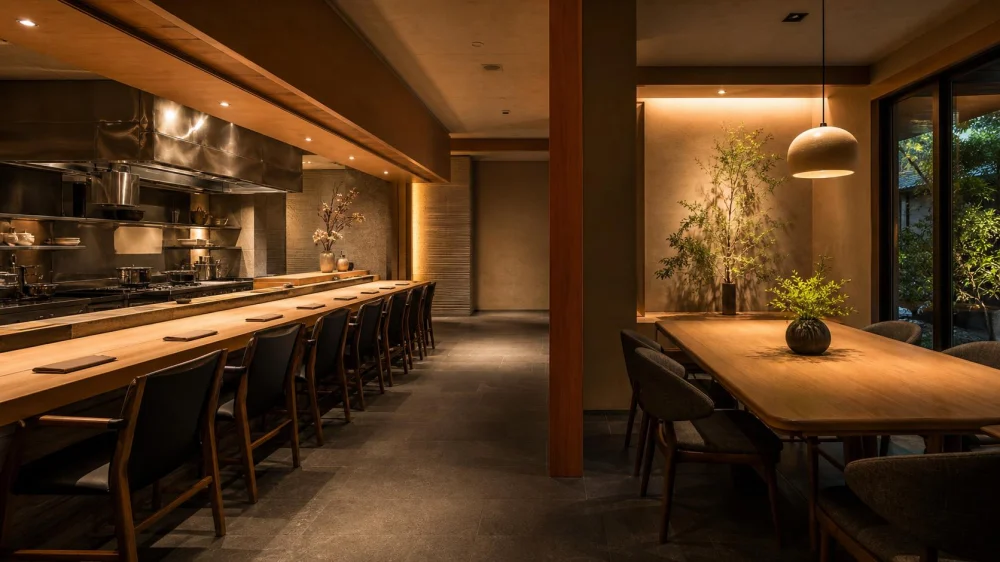
Choose a chef's counter when watching kitchen technique, interacting with staff, and accepting a livelier, warmer setting are part of the experience. Choose a dining-room table for easier group conversation, more personal space, flexible seating, and fewer kitchen sights and sounds. Before reserving, compare menu format, duration, accessibility, seat backs, heat, noise, view, cancellation terms, and whether the counter requires prepayment.
A chef's counter is seating positioned at or near an open kitchen, often designed to give diners a direct view of preparation and service.

Clever Ramen
ScottsdaleMaricopa CountyArizona
1455 N Scottsdale Rd Suite 105, Scottsdale, AZ 85257, USA
How the experiences differ
Counter dining emphasizes proximity and observation. Courses may be served directly by cooks, and the pace can follow a set sequence. The dining room usually separates guests from production and supports a more conventional server-led meal.
Names are not standardized. “Chef's table,” “kitchen counter,” “bar seating,” and “counter experience” can mean different things, so inspect the exact description.

When to choose the counter
Best for: solo diners, pairs, culinary enthusiasts, and celebrations centered on the cooking itself. It can make questions about technique or ingredients easier when staff have time to engage.
Not ideal for: a private conversation, a large group, someone sensitive to heat or sound, or a diner who needs a specific chair height or back support that has not been confirmed.
When to choose a dining-room table
Best for: groups, business meals, longer conversations, guests who prefer personal space, and parties needing flexible or accessible seating.
A table does not automatically mean quiet or private. Check its position relative to speakers, bar, entrance, service station, and open kitchen.
Comparison checklist
- Menu: fixed tasting menu, limited counter menu, or full à la carte selection.
- Pace: synchronized seating versus flexible ordering.
- Comfort: stool height, back support, legroom, heat, ventilation, and proximity to movement.
- Interaction: observational, conversational, or private.
- Accessibility: step-free route, transfer space, counter height, and alternative seating.
- Dietary fit: advance notice required and whether substitutions are possible.
- Cost: deposit, prepayment, service charge, pairings, and optional supplements.
- Photography: restrictions and whether flashes or video disturb service.
Questions before booking
- Is this a true kitchen-facing counter or standard bar seating?
- Is the menu fixed, and how long should guests allow?
- Are seats assigned, backed, adjustable, and accessible?
- Can the kitchen accommodate confirmed allergies or dietary restrictions?
- Is the counter hotter, louder, or brighter than the dining room?
- What happens for late arrival, cancellation, or a party-size change?
- Are tax, service, beverages, or gratuity included in prepaid pricing?
Limitations and important notes
Restaurant layouts and service formats vary, and online photos may show a different seat or prior configuration. Contact the restaurant for current details, especially when accessibility, allergies, or sensory needs affect the decision.
Kitchen interaction is never guaranteed; cooks may need to focus during busy service. Respect staff instructions and other guests' experience.
Frequently asked questions
Is a chef's counter always more expensive?
No. Some counters offer premium tasting experiences, while others serve the regular menu. Compare the exact inclusions.
Can one person dine at a chef's counter?
Often, and counter seating can suit solo diners well. Check minimum-party and reservation rules.
Will the chef talk to every guest?
Not necessarily. Interaction depends on the restaurant, counter design, and pace of service.
Can children sit at a chef's counter?
Policies, seat heights, menu duration, and safety considerations vary. Ask before booking.
Sources and evidence notes
This guide reflects common restaurant-service patterns rather than a universal definition. The restaurant's current seating description, access information, menu, and booking terms are the authoritative details.
Next steps
Decide whether the priority is kitchen immersion or conversation and comfort. Then confirm the exact seat, menu, duration, access, and cancellation terms before reserving.





 Vegan Eats And Drinks - Fusion Restaurant4.0 (80 reviews)
 McDonald's3.0 (2590 reviews)
 Lytebite Chandler4.0 (60 reviews)
 Subway3.0 (514 reviews)
 Sushi MX4.0 (19 reviews)
 Wok A Holic3.0 (66 reviews)
 Highly Rated Mediterranean Restaurants in the US: Best Dining Guide
 Explore Family Friendly Restaurants in US Cities
 The Best Restaurant Dining Experiences for Weekend Food Adventures
 Real Reasons Why Local Restaurants Often Beat Chains: A Culinary Perspective
 Hidden Gems in San Francisco for Local Dining
 Local Favorites in Portland for Organic and Fresh Food Guide