Tableside Cooking at a Restaurant: Clear Space, Heat, and Service Boundaries
On this page
Quick answer
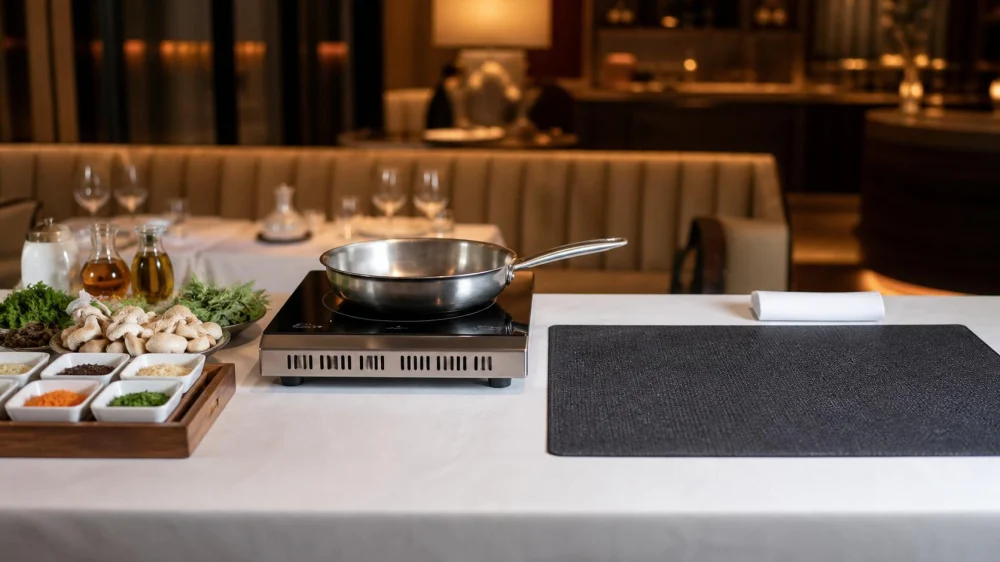
Tableside cooking can involve induction, hot stone, skillet, torch, carving, pouring, or flambé. Before service begins, ask what equipment and ingredients will be used, disclose allergies and respiratory or sensory concerns, and clear phones, bags, sleeves, children, and mobility aids from the work zone. Let trained staff control the equipment and hot vessels. Do not reach across the station, add ingredients, or move a burner; wait for the server to declare the area safe.
Pho Laveen Vietnamese Cuisine
3424 W Southern Ave #180, Phoenix, AZ 85041, USA
Why it matters
The attraction is close-up preparation, but heat, steam, splatter, sharp tools, cords, alcohol vapor, and crowded tables create boundaries that ordinary plating does not.
This United States dining guide is general. Service method, ventilation, fire code, fuel, electrical load, allergens, seating, and staff training vary. Restaurant safety procedures control.
Practical checklist
- Ask what technique, heat source, ingredients, duration, and table space are required.
- Disclose allergies, asthma, fragrance or smoke sensitivity, hearing or vision needs, and child seating.
- Confirm whether flame, alcohol, raw food, sharp tools, or hot stone is involved.
- Move personal items and secure loose clothing and hair.
- Keep a clear route for staff and emergency exit.
- Agree where finished food and hot equipment will land.
- Know the stop signal and who may operate the setup.
Step-by-step plan
- Discuss the service before equipment arrives and choose a conventional kitchen-prepared version if the setup is unsuitable.
- Allow staff to rearrange place settings and create the required clearance.
- Keep hands, faces, children, and belongings outside the defined work zone.
- Let staff handle burners, cords, fuel, hot stones, pans, knives, and alcohol.
- Use serving utensils only after the cook completes the step and releases the dish.
- Treat the mat, pan, handle, stone, and nearby surface as hot until staff removes or clears them.
- Report a spill, unstable table, damaged cord, unexpected flare, or symptom immediately.
For allergy-sensitive or incident follow-up, note technique, ingredients, equipment, seating, staff explanation, service time, spill or flare, witnesses, photos if safe, response, receipt, and symptoms.
Limits and warning signs
A flame that looks extinguished may leave hot equipment or invisible heat. Moving a child farther down the same cramped table may not provide enough separation.
Stop service for unstable equipment, blocked exits, active spill, uncontrolled flame, burning smell, breathing symptoms, or incorrect allergy ingredients. Use emergency services for fire, serious burns, choking, or severe allergic reaction.
Frequently asked questions
Can I help stir or flip the food?
Only if the restaurant explicitly designs a guest-operated service and provides safe instructions; otherwise let staff operate it.
Is induction equipment cool to touch?
The cooktop and pan area can still become hot; follow staff warnings and do not test surfaces.
What if I do not want flame near the table?
Ask for kitchen preparation or another dish before the service begins.
Where should children sit?
Use the restaurant's recommended safe distance and choose conventional service when clearance cannot be maintained.
Sources and evidence
The guide applies restaurant fire, hot-surface, electrical, sharp-tool, allergen, ventilation, and service-zone principles: define the method, clear space, keep guests outside the work zone, and let trained staff control equipment.
Conclusion and next steps
Ask about technique, heat, ingredients, clearance and alternatives, disclose sensitivities, clear the work zone, and let staff operate and remove every hot or sharp item before resuming normal table use.

 India's Flame4.0 (1215 reviews)
 Massrecovery3.0 (7 reviews)
 Man vs Fries4.0 (22 reviews)
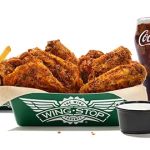 Wingstop3.0 (395 reviews)
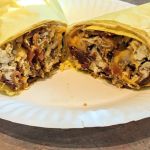 Regio's Mexican Food4.0 (708 reviews)
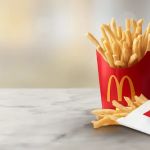 McDonald's3.0 (1388 reviews)
 Why These Restaurants in San Diego Are Trending Right Now
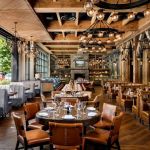 Where to Find the Best Fine Dining Lunch Spots in Your Area
 Popular Choices for Dining Near Work or Home
 Why You Should Dine at a Local Restaurant Over a Chain
 The Best Places for Fresh Seafood in San Francisco - Top Restaurants & Markets
 What to Expect from Dining in Tourist Heavy Areas