

Restaurant Food Allergy Plan: Call, Confirm, and Stay Ready
Table of contents
- Quick answer
- Prepare before choosing a restaurant
- Call outside the rush
- Repeat the conversation on arrival
- Ask concrete kitchen questions
- Understand cross-contact
- Place and verify the order
- Be ready for a reaction
- Coordinate with the dining group
- Dining checklist
- Limitations
- Frequently asked questions
- Sources and evidence notes
- Conclusion
Quick answer
Choose a restaurant willing to discuss ingredients and cross-contact before you arrive. Name the exact allergen, ask a manager or knowledgeable staff member to verify the recipe and preparation, repeat the request when ordering, and confirm the plate at delivery. Carry prescribed emergency medication and follow your clinician's action plan. If staff cannot answer or the kitchen cannot manage the risk, do not eat the uncertain dish.
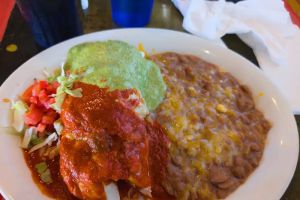
Frank & Lupe's Old Mexico
ScottsdaleMaricopa CountyArizona
4121 N Marshall Way, Scottsdale, AZ 85251, USA
Prepare before choosing a restaurant
Know the foods and ingredients your medical team has told you to avoid, including alternate names. Bring a written allergy card if it helps, but do not let a card replace conversation. Check that prescribed epinephrine or other emergency supplies are unexpired, accessible, and stored according to instructions.
Review the current menu for likely options and hidden complexity. Buffets, bakeries, fryers, grills, ice-cream counters, and kitchens using loose flour or many nuts can present different cross-contact challenges. A menu icon is a starting point, not a guarantee. Choose a time and place where staff can communicate clearly.

My Slice of the Pie Pizzeria - Arcadia (Catering Available)
3724 E Indian School Rd, Phoenix, AZ 85018, USA
Call outside the rush
Contact the restaurant during a quiet period. Ask to speak with a manager or person familiar with recipes and kitchen procedures. Say “I have a food allergy to…” rather than “I do not like…” or “I am sensitive…” if allergy is the accurate medical issue. Name each allergen separately.
Ask whether the kitchen can check ingredient labels, sauces, spice blends, marinades, garnishes, and cooking oils. Find out whether recipes change by shift or supplier and whether the restaurant records allergy requests. If the answer is vague, pressured, or dismissive, select another restaurant.
Repeat the conversation on arrival
Plans can change between a phone call and a visit. Tell the host and server immediately, and ask whether a manager or chef should confirm the arrangement. Give the allergy card directly to the responsible person rather than leaving it hidden under a menu.
Do not assume notes in a reservation reached the kitchen. Confirm the exact dish, modifications, and preparation again. If language is a barrier, use a professionally translated card, but verify that staff understand both the allergen and cross-contact concern.
Ask concrete kitchen questions
Instead of asking only “Is this safe?”, ask what is in the dish and how it is prepared. Does the fryer also cook breaded seafood? Is the grill cleaned or shared? Are utensils, cutting boards, pans, blenders, toasters, scoops, or gloves used with the allergen? Is a garnish added at the pass?
Ask whether a clean pan and utensils can be used and whether the ingredient label can be checked. Removing cheese, nuts, croutons, or sauce from a finished plate does not remove allergen protein that already touched the food. A remake should begin with new ingredients and clean preparation.
Understand cross-contact
The U.S. Food and Drug Administration defines allergen cross-contact as the unintended incorporation of an allergen into food. It differs from ordinary cross-contamination language used for microbes. Tiny amounts can matter for some people, and heat does not reliably make an allergen harmless.
Shared fryers, grills, woks, pizza ovens, bakery cases, soft-serve machines, scoops, and prep surfaces deserve specific discussion. Cleaning practices and kitchen layout determine whether a restaurant can accommodate the request. “We do not add peanuts” is not the same as controlling contact from peanuts used nearby.
Place and verify the order
Choose a simple dish with fewer sauces and components when possible. Avoid making numerous preference changes alongside the allergy request; keep the safety instruction prominent. Ask the server to mark the order as an allergy and read it back.
When the plate arrives, ask the delivering employee to confirm it is the allergy order. Look for unexpected garnish, sauce, bread, cheese, nuts, or side swaps. If anything is uncertain, do not taste it to test. Send it back and request a fully remade dish, not removal of the visible item.
Be ready for a reaction
Follow the individualized emergency plan from your clinician. Symptoms of a serious allergic reaction can progress quickly and may involve breathing, throat, circulation, skin, or gastrointestinal symptoms. Do not wait for every possible symptom or rely on restaurant staff to decide treatment.
Use prescribed epinephrine as directed and call emergency services for suspected anaphylaxis. Tell companions where medication is and how to help. Do not drive yourself during a serious reaction. Inform the restaurant after emergency care is underway and preserve receipts and dish details for later reporting.
Coordinate with the dining group
Explain that shared plates, tasting bites, swapped utensils, and passing allergen-containing dishes can increase risk. Seat the person with the allergy where servers can reach them clearly. Keep emergency medication with the person, not in a distant car or coat check.
For children, designate one adult to communicate with staff and one to supervise food. Avoid conflicting orders from several relatives. For business meals or celebrations, choose the restaurant with safety in mind before invitations are finalized.
Dining checklist
- Know the exact allergen names and carry the medical action plan.
- Call a knowledgeable restaurant employee during a quiet time.
- Ask about complete ingredients and shared equipment.
- Repeat the allergy request on arrival and at ordering.
- Keep the meal simple and have the order read back.
- Confirm the plate at delivery and reject uncertain food.
- Keep prescribed epinephrine accessible and call emergency services when indicated.
Limitations
No restaurant conversation, menu statement, or guide can guarantee zero allergen exposure. Recipes, suppliers, staffing, and procedures change. Packaged-food labeling rules do not apply in the same way to every restaurant meal prepared after ordering. Follow individualized advice from an allergy specialist and choose not to eat when risk cannot be clarified.
Frequently asked questions
Is a menu allergen icon enough?
No. Use it to start a conversation, then verify current ingredients and preparation with knowledgeable staff.
Can the kitchen remove the allergen from a finished plate?
That does not undo contact. Ask for a new dish made from new ingredients with appropriate clean tools.
Does cooking destroy food allergens?
Do not assume so. Cooking does not reliably eliminate allergen proteins or cross-contact risk.
What if staff cannot answer?
Do not eat the uncertain item. Choose a clearly manageable option or another restaurant.
Sources and evidence notes
Allergen definitions and risk framing follow the U.S. Food and Drug Administration's food allergy overview and its research on allergen transfer in retail food settings. Emergency actions must follow the diner's clinician-provided plan. Accessed August 10, 2026.
Conclusion
Safer restaurant dining with a food allergy depends on specific, repeated communication and readiness. Call ahead, ask how the kitchen works, confirm the plate, and keep emergency medication close. The most important choice is also the simplest: when the answer is uncertain, do not eat the uncertain food.



 Taco Bell3.0 (423 reviews)
 Pizza Heaven Bistro4.0 (1536 reviews)
 BBQ - Ahwatukee4.0 (24 reviews)
 Culinary Dropout4.0 (4430 reviews)
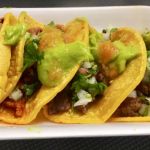 Tacos Calafia4.0 (2392 reviews)
 Wendy's3.0 (446 reviews)
 Why You Should Dine at a Local Restaurant Over a Chain
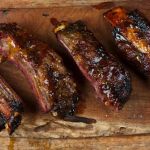 Where to Find the Best BBQ Ribs in Texas
 Restaurant Patio Weather Plan: Seating, Shelter, and Fees
 Where to Eat in New York City for an Unforgettable Food Experience
 Dining Ideas for Weekend Brunch with Friends
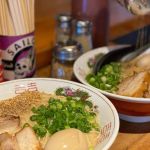 Where to Find the Best Ramen in Portland for an Authentic Experience