
- - How Modern Dining Is Evolving
- - Technology Changing Restaurant Experiences
- - Rise of Health-Conscious Eating
- - Social Media Influencing Food Culture
- - Food Delivery and Convenience Culture
- - Changing Family and Social Dining Patterns
- - Economic Factors Affecting Dining Choices
- - Restaurant Industry Adapting to New Behaviors
- - Restaurants Explorer and the Future of Dining
1. How Modern Dining Is Evolving
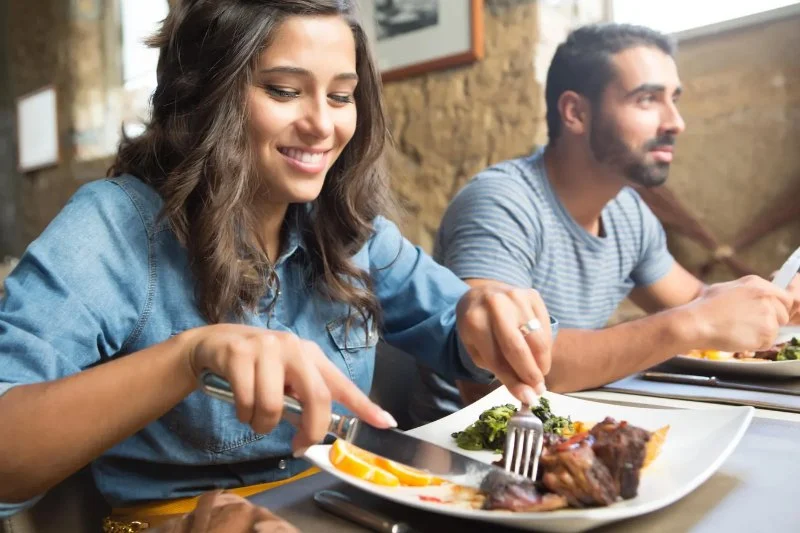
Dining habits in the United States have changed dramatically over the last decade. What people eat, where they eat, how often they dine out, and even the reasons behind their food choices are evolving faster than ever before. Modern consumers are no longer simply looking for a meal; they are searching for convenience, experiences, healthier options, and emotional connections through food.
Several factors are driving this transformation. Technology has reshaped the restaurant industry, social media influences food decisions daily, and younger generations approach dining differently from previous generations. Economic pressures, busy schedules, and growing awareness of health and sustainability are also changing how Americans interact with restaurants.
In many cities across the country, restaurants that once depended heavily on dine-in traffic are now redesigning their business models to accommodate takeout, delivery, and digital ordering. Even small neighborhood restaurants are adapting to these shifts because consumer expectations continue to evolve.
A restaurant owner in Austin, Texas recently shared how his business changed after 2020. Before, most customers preferred dining inside the restaurant. Today, more than half of his daily revenue comes from online orders and curbside pickup. This shift reflects a much broader transformation happening throughout the American dining industry.

2. Technology Changing Restaurant Experiences
Technology has become one of the biggest influences on modern dining behavior. From smartphone apps to AI-driven recommendations, digital tools are shaping how consumers discover, order, and review food.
2.1 Mobile Ordering Becoming Standard
Many consumers now expect restaurants to offer mobile ordering and contactless payment options. Fast-casual chains, coffee shops, and even fine dining restaurants increasingly use apps to streamline customer experiences.
Busy professionals appreciate the ability to place an order before arriving at a restaurant. Parents with young children value the convenience of avoiding long waits. For many Americans, digital ordering is no longer considered a luxury but a normal part of dining.
2.2 Personalized Recommendations
Food apps and restaurant platforms collect customer preferences and use algorithms to recommend dishes based on previous orders. Consumers often discover new cuisines and restaurants through these personalized systems.
This trend has also increased customer expectations. People want restaurants to remember their preferences, dietary restrictions, and favorite menu items.
2.3 Digital Reviews Influencing Decisions
Online reviews now strongly influence restaurant success. A single viral TikTok video or trending Instagram reel can dramatically increase customer traffic overnight.
In New York City, a small bakery experienced a sudden surge in visitors after a food influencer posted a short review about its croissants. The bakery reportedly sold out within hours for several consecutive weeks.
This demonstrates how digital exposure can rapidly change restaurant popularity in today's market.
3. Rise of Health-Conscious Eating
Health awareness is significantly changing dining habits across the United States. Consumers increasingly pay attention to ingredients, nutrition, food sourcing, and portion sizes.
3.1 Demand for Healthier Menu Options
Restaurants now offer more plant-based meals, gluten-free dishes, low-carb alternatives, and organic ingredients. Many diners actively seek menus that align with their personal wellness goals.
Millennials and Gen Z consumers especially tend to prioritize healthier food choices compared to previous generations. However, health-conscious dining is no longer limited to younger consumers. Older Americans are also becoming more selective about what they eat.
3.2 Transparency Matters More Than Ever
Customers want to know where ingredients come from and how food is prepared. Terms like “farm-to-table,” “locally sourced,” and “sustainable seafood” have become important marketing tools in the restaurant industry.
Restaurants that openly share sourcing practices often build stronger trust with customers.
3.3 Mental Health and Comfort Eating
Interestingly, modern dining trends also reveal a growing emotional connection to food. During stressful periods, many people seek comfort foods that provide familiarity and nostalgia.
After the pandemic, comfort foods such as mac and cheese, burgers, and traditional family-style meals became extremely popular again. Consumers often describe these meals as emotionally comforting rather than simply satisfying hunger.
4. Social Media Influencing Food Culture
Social media has transformed food into entertainment. Restaurants now design dishes not only for flavor but also for visual appeal.
4.1 The Rise of “Instagrammable” Food
Bright colors, dramatic presentations, oversized desserts, and unique plating styles attract customers who enjoy sharing food experiences online.
Some restaurants intentionally create menu items designed to go viral on social media platforms. Colorful milkshakes, towering pancakes, and unusual fusion dishes often gain attention because they photograph well.
4.2 Food Influencers Driving Traffic
Food bloggers and influencers have become major players in restaurant marketing. Many consumers trust influencer reviews more than traditional advertisements.
A Los Angeles taco restaurant reportedly experienced lines around the block after several viral TikTok reviews highlighted its spicy birria tacos. The restaurant owner later stated that social media exposure increased sales more than any previous marketing campaign.
4.3 Consumers Seeking Experiences
Dining out today is increasingly viewed as a social activity and lifestyle experience. Customers are looking for memorable atmospheres, unique themes, and interactive dining concepts.
Restaurants that combine strong food quality with immersive environments often perform especially well among younger demographics.
5. Food Delivery and Convenience Culture
The growth of food delivery services has completely changed dining patterns in America.
5.1 Convenience Over Tradition
Many families no longer cook every night. Instead, they rely on food delivery apps because of demanding schedules and convenience.
Busy workers often order lunch directly to offices, while parents may choose delivery after long workdays to save time and energy.
5.2 Ghost Kitchens Expanding
Ghost kitchens, also called virtual kitchens, have become increasingly common. These businesses operate without traditional dining rooms and focus entirely on delivery orders.
This model reduces overhead costs and allows restaurants to test new concepts quickly.
5.3 Changing Consumer Expectations
Modern diners expect fast delivery, accurate orders, and high-quality packaging. Restaurants that fail to meet these expectations often receive negative reviews quickly.
Consumers are also more willing to try unfamiliar restaurants when delivery apps make discovery easy.
6. Changing Family and Social Dining Patterns
Traditional family dining routines have shifted significantly in recent years.
6.1 Flexible Meal Times
Many Americans no longer follow strict breakfast, lunch, and dinner schedules. Flexible work arrangements and remote jobs allow people to eat at different times throughout the day.
As a result, restaurants increasingly offer all-day menus and flexible dining options.
6.2 Solo Dining Becoming More Common
Dining alone once carried social stigma, but attitudes are changing. Many people now comfortably eat alone while working remotely, traveling, or simply enjoying personal time.
Restaurants have adapted by creating comfortable bar seating, communal tables, and work-friendly environments.
6.3 Group Dining Becoming Experience-Based
When people gather socially, they often prefer unique experiences over ordinary meals. Interactive dining concepts like Korean barbecue, hot pot, chef tasting menus, and immersive themed restaurants have gained popularity.
Consumers increasingly value memorable experiences that can be shared both in person and online.
7. Economic Factors Affecting Dining Choices
Economic conditions strongly influence dining habits.
7.1 Inflation Changing Consumer Spending
Rising food costs have made many consumers more selective about dining out. Some families now reserve restaurant visits for special occasions instead of weekly routines.
Others prioritize affordable fast-casual restaurants over expensive fine dining establishments.
7.2 Value Perception Matters
Customers today evaluate restaurants based on overall value rather than price alone. They expect quality ingredients, generous portions, and positive service experiences.
Restaurants that deliver strong value often maintain customer loyalty even during economic uncertainty.
7.3 Subscription and Loyalty Programs
Many restaurant chains now offer loyalty programs and subscription services to encourage repeat business. Discounts, rewards points, and exclusive menu access help attract budget-conscious consumers.
8. Restaurant Industry Adapting to New Behaviors
The restaurant industry continues adjusting rapidly to changing consumer preferences.
8.1 Smaller Menus and Operational Efficiency
Many restaurants have simplified menus to improve kitchen efficiency and reduce food waste. Smaller menus often allow chefs to focus on quality and consistency.
8.2 Sustainable Practices
Consumers increasingly support businesses that prioritize sustainability. Restaurants are reducing plastic use, sourcing locally, and minimizing waste to appeal to environmentally conscious diners.
8.3 Hybrid Dining Models
Modern restaurants often combine dine-in service, delivery, meal kits, retail products, and catering into a single business model.
This flexibility helps businesses remain competitive in a rapidly changing industry.
Some independent restaurants that survived difficult economic periods credit their success to adapting quickly instead of relying solely on traditional dining models.
9. Restaurants Explorer and the Future of Dining
As dining habits continue evolving, consumers increasingly rely on trusted resources to discover restaurants that match their preferences, budgets, and lifestyles.
Restaurants Explorer helps diners navigate modern food culture by providing valuable insights into restaurant trends, dining experiences, local food recommendations, and emerging culinary movements.
Whether someone is searching for health-conscious menus, family-friendly dining, trending restaurants, or unique culinary experiences, Restaurants Explorer offers guidance that reflects the changing expectations of modern consumers.
The future of dining will likely continue blending convenience, technology, personalization, and experience-driven choices. Restaurants that understand these evolving habits and adapt thoughtfully will remain competitive in an industry that changes faster every year.
For diners, these changes create exciting opportunities to explore new cuisines, discover innovative restaurant concepts, and enjoy food experiences that go far beyond simply eating a meal.





 Jersey Mike's Subs3.0 (208 reviews)
 Andrew's BBQ express4.0 (180 reviews)
 Streets of New York4.0 (821 reviews)
 Subway4.0 (486 reviews)
 Ingo’s Tasty Food4.0 (669 reviews)
 La cahuamanta4.0 (138 reviews)
 Top Food Courts in the US Offering the Best Variety of Options
 Where to Find the Best Vegan Breakfast in Portland
 The Ultimate Guide to Exploring Seafood Restaurants in Boston: Top Seafood Spots
 How to Enjoy the Best Sushi Rolls in Portland: A Beginner’s Guide
 Where to Find Amazing Pizza in the US Without Overpaying
 Top 10 Best Sushi Restaurants in Miami That Will Blow Your Mind