
- -Emerging Trends in Restaurant Concepts
- -Farm-to-Table Dining: A Growing Trend
- -Interactive Dining Experiences
- -The Rise of Pop-Up Restaurants
- -Sustainability in Restaurant Design and Operations
1. Emerging Trends in Restaurant Concepts
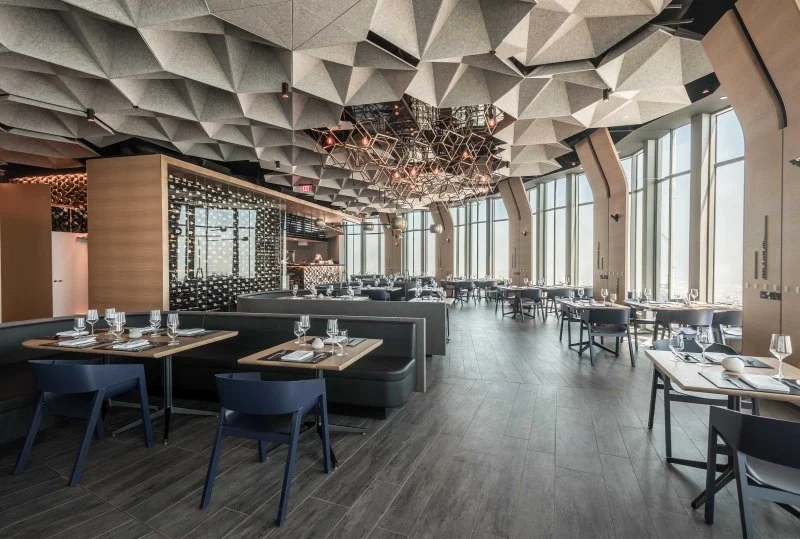
The restaurant industry in the United States has always been a place for culinary innovation and experimentation. As diners’ tastes evolve and new technologies emerge, restaurants are adopting fresh concepts to offer unique dining experiences. Whether through creative menu offerings, interactive dining experiences, or cutting-edge restaurant designs, these new concepts are changing the way people dine out. Let’s take a closer look at some of the most creative restaurant trends currently making waves in the industry.
1.1 Culinary Concepts and Experimental Menus
One of the most exciting trends in restaurant concepts is the emergence of experimental and concept-driven menus. These menus often feature unexpected combinations of ingredients, quirky presentations, and innovative cooking techniques. Restaurants are increasingly leaning into the concept of "food as art," offering dishes that are not only delicious but visually striking as well. This trend appeals to diners looking for new and exciting culinary experiences that go beyond the traditional dining options.

Sree Devarayas Indian Cuisine
ChandlerMaricopa CountyArizona
4939 W Ray Rd #1, Chandler, AZ 85226, USA
2. Farm-to-Table Dining: A Growing Trend
Farm-to-table dining has grown tremendously in popularity in recent years. This restaurant concept focuses on sourcing ingredients directly from local farms and producers, ensuring fresh, seasonal, and sustainably sourced food. Farm-to-table restaurants not only prioritize quality but also support local agriculture, reducing the carbon footprint associated with food transportation. The commitment to sustainability and freshness has made this concept a hit with health-conscious and eco-minded diners.
2.1 The Appeal of Local Ingredients
Diners are increasingly drawn to restaurants that feature locally sourced ingredients, as they offer a taste of the local community and support sustainable agriculture. Restaurants adopting this concept often highlight seasonal ingredients, providing an ever-changing menu that reflects the region's best offerings at any given time.
2.2 A Sustainable Future for Dining
The farm-to-table trend aligns with a broader movement toward sustainability in the food industry. As consumers become more environmentally conscious, restaurants are embracing eco-friendly practices, such as composting waste, reducing plastic usage, and promoting sustainable food sourcing.
3. Interactive Dining Experiences
Interactive dining experiences are another creative concept gaining popularity across the United States. These experiences allow diners to actively engage with their food and the dining process, adding an extra layer of excitement to the meal. From open kitchens where diners can watch chefs at work to interactive tasting menus that encourage guests to experiment with flavor combinations, these restaurants are designed to make the dining experience more immersive and enjoyable.
3.1 DIY Dishes and Chef Interactions
In some restaurants, diners are encouraged to participate in the creation of their meals. This may involve customizing dishes, cooking at the table, or learning culinary techniques directly from the chef. Such hands-on experiences allow guests to feel more connected to their food and the restaurant's culinary philosophy.
3.2 The Rise of Food Labs
Some restaurants are even going beyond the traditional concept of dining by creating food labs, where diners are invited to experiment with flavor combinations, textures, and cooking methods in a guided environment. These food labs create a space where both amateur chefs and food enthusiasts can unleash their creativity while discovering new tastes and techniques.
4. The Rise of Pop-Up Restaurants
Pop-up restaurants are temporary dining establishments that are often set up in unconventional locations. These restaurants provide a platform for chefs and restaurateurs to showcase their culinary talents without the long-term commitment of a traditional restaurant space. The pop-up trend allows for creative freedom, limited-time-only menus, and the chance to experiment with new concepts. They’re particularly popular in metropolitan areas, where they attract adventurous diners seeking something unique.
4.1 The Flexibility and Excitement of Pop-Ups
Pop-up restaurants offer the flexibility to try new themes, menus, and experiences that might not be feasible in a permanent location. They can be anything from themed dinners and food festivals to collaborations between different chefs or restaurants. The element of exclusivity and the fleeting nature of pop-up experiences make them highly attractive to foodies who are eager to explore something new and exciting.
4.2 Pop-Ups as a Launchpad for New Restaurants
Many successful restaurants have used the pop-up model as a way to test new concepts, gain a following, and generate buzz before committing to a permanent location. This approach allows entrepreneurs to gauge customer interest and adjust their offerings accordingly, creating a more solid foundation for their future restaurant ventures.
5. Sustainability in Restaurant Design and Operations
Sustainability has become a key consideration not only in menu sourcing but also in the design and operations of restaurants. Many new restaurant concepts focus on creating environmentally friendly dining experiences, from using energy-efficient appliances to incorporating eco-conscious building materials in restaurant designs.
5.1 Eco-Friendly Restaurant Interiors
Restaurants are embracing sustainable design by using reclaimed materials, energy-efficient lighting, and water-saving fixtures. This reduces the environmental footprint of the business while creating aesthetically pleasing spaces that align with the sustainability values of modern diners.
5.2 Waste Reduction and Green Practices
Many creative restaurant concepts now prioritize zero-waste practices, reducing food waste, composting organic material, and recycling wherever possible. These sustainable efforts not only benefit the environment but also resonate with consumers who are increasingly aware of the impact of their choices.


 TEG Torta Shop - Tortas El Güero4.0 (738 reviews)
 Chipotle Mexican Grill3.0 (1317 reviews)
 Tortillas Rosario5.0 (2 reviews)
 Bad Jimmy's4.0 (444 reviews)
 Flower Child4.0 (1193 reviews)
 Junn All You Can Eat Sushi4.0 (2117 reviews)
 Top 5 Mediterranean Restaurants in San Francisco for a Fresh Dining Experience
 Top 5 Best Breakfast Restaurants in Miami for Early Birds
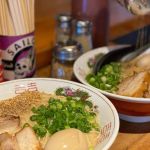 Where to Find the Best Ramen in Portland for an Authentic Experience
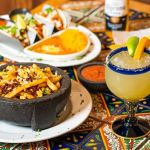 The Best Restaurants for Authentic Latin American Cuisine
 The Best Restaurants for Authentic Asian Cuisine
 The Best Places for Fresh Seafood in San Francisco - Top Restaurants & Markets